
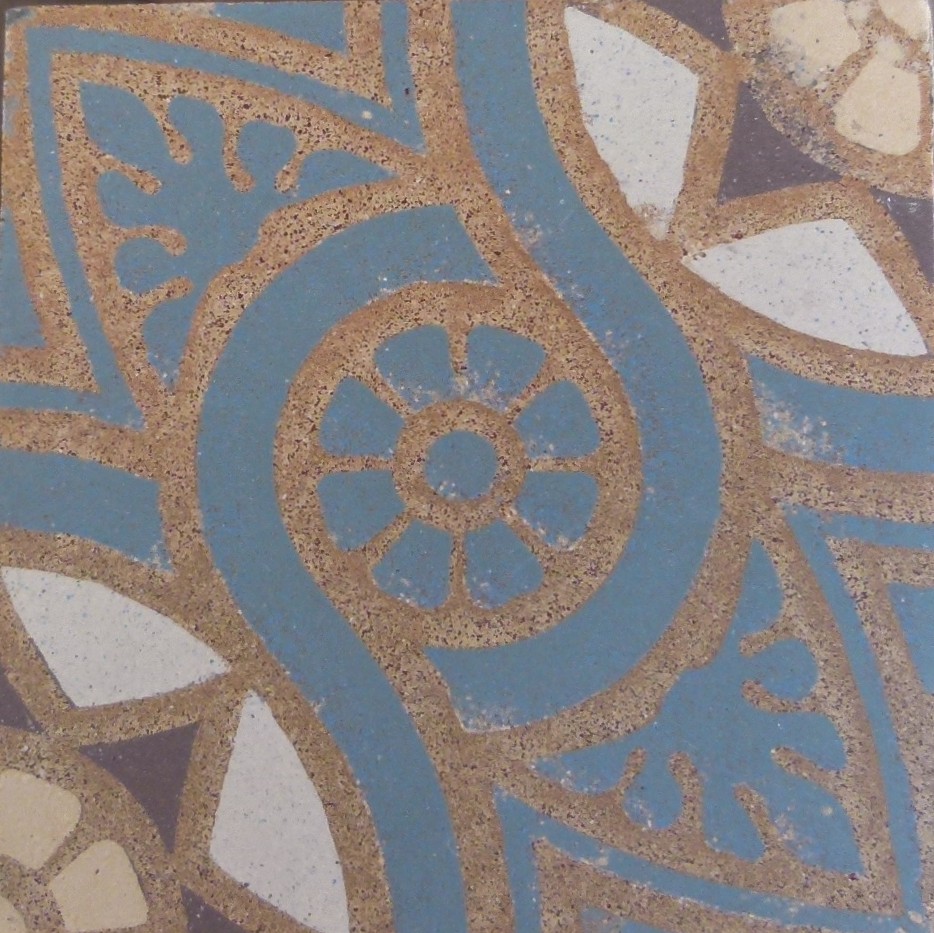
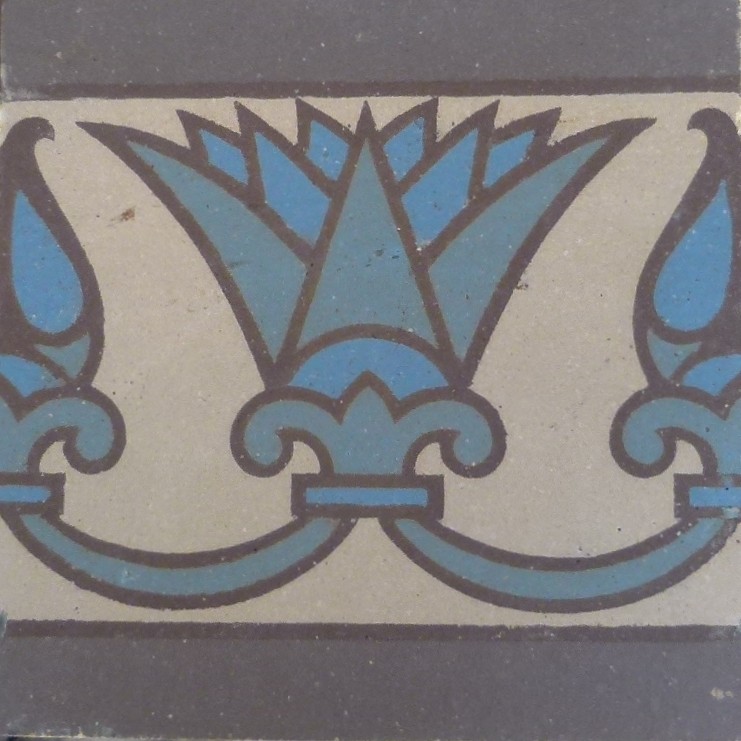
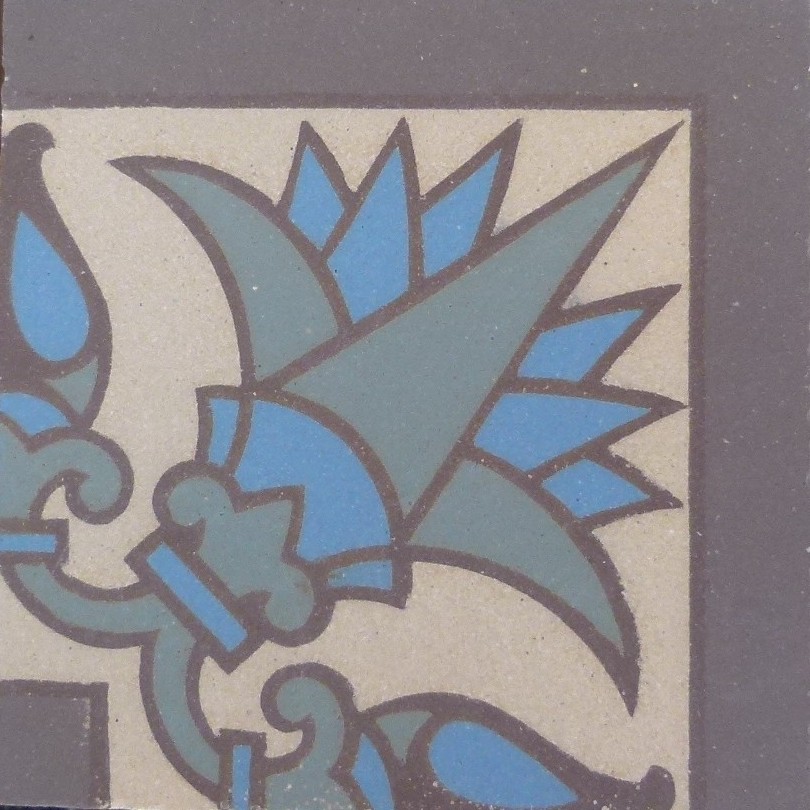
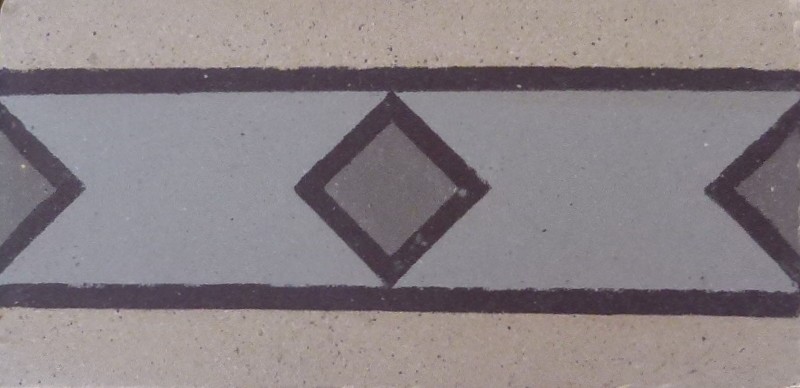
Magnificent Handmade Ceramic Floor with Rare Triple Border c.118 sq ft. - c.1900
Currently in France and soon to be shipped to The French Antique Tile Company
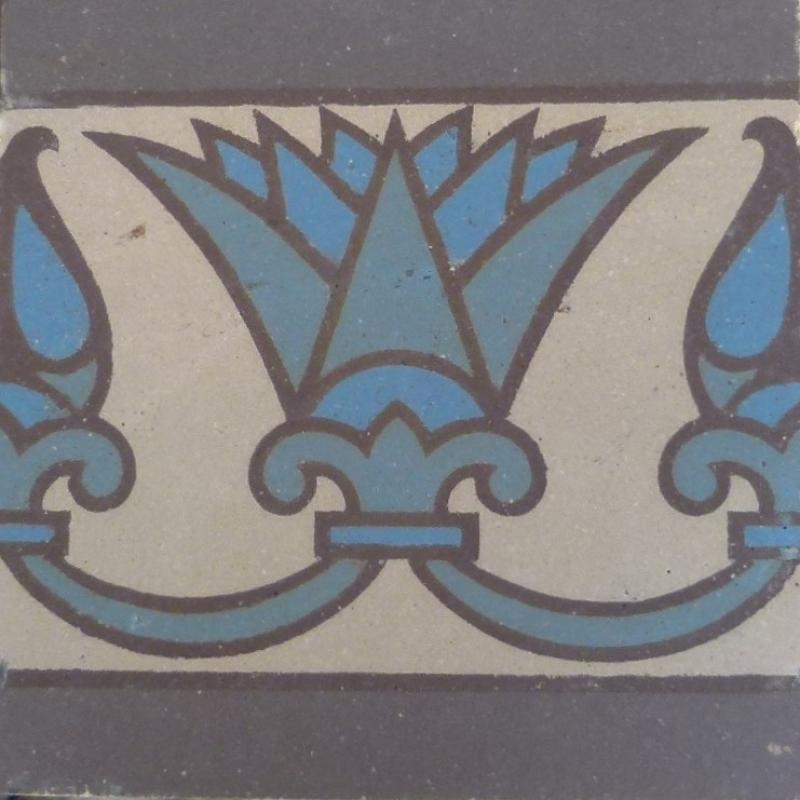
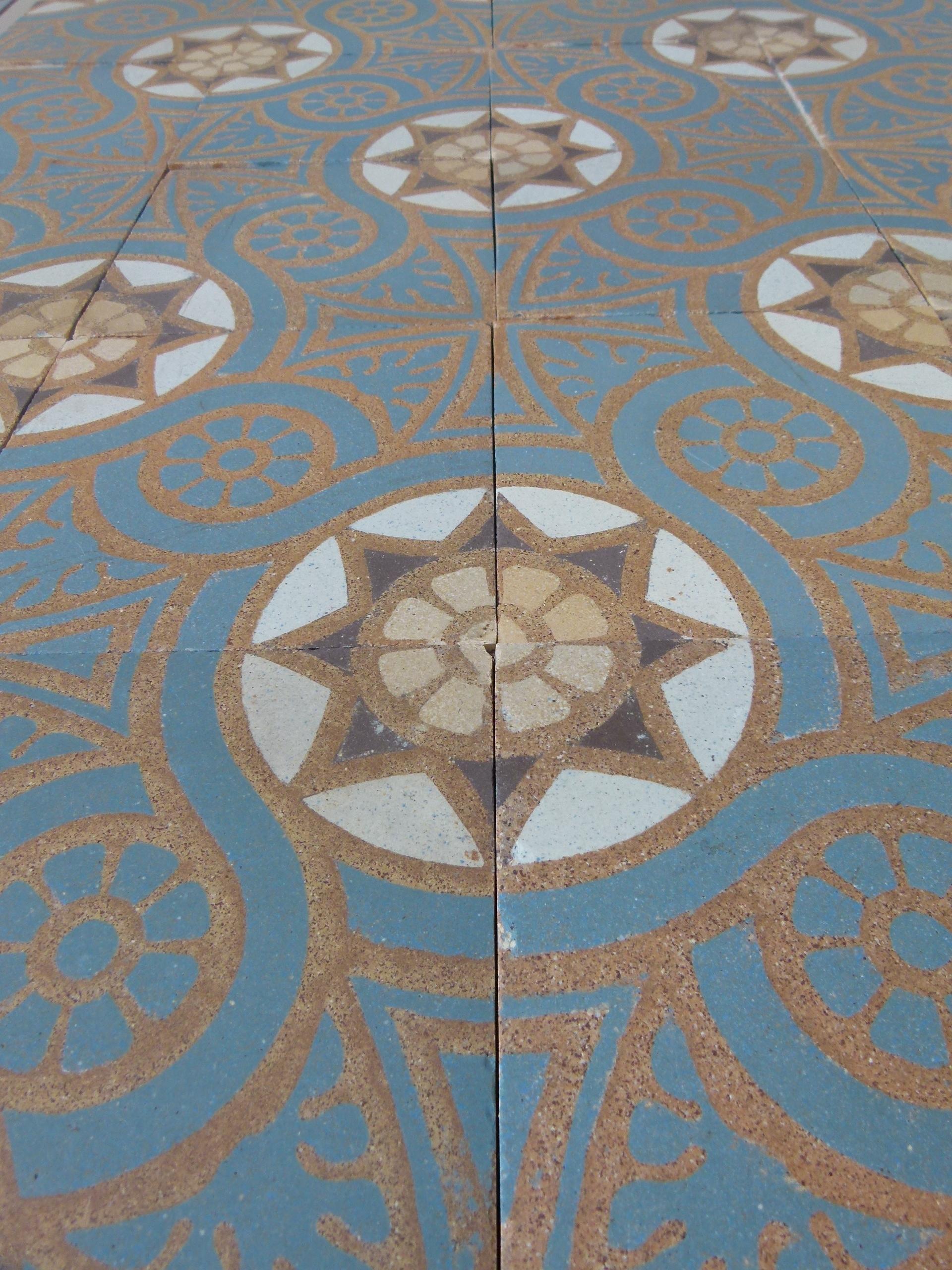
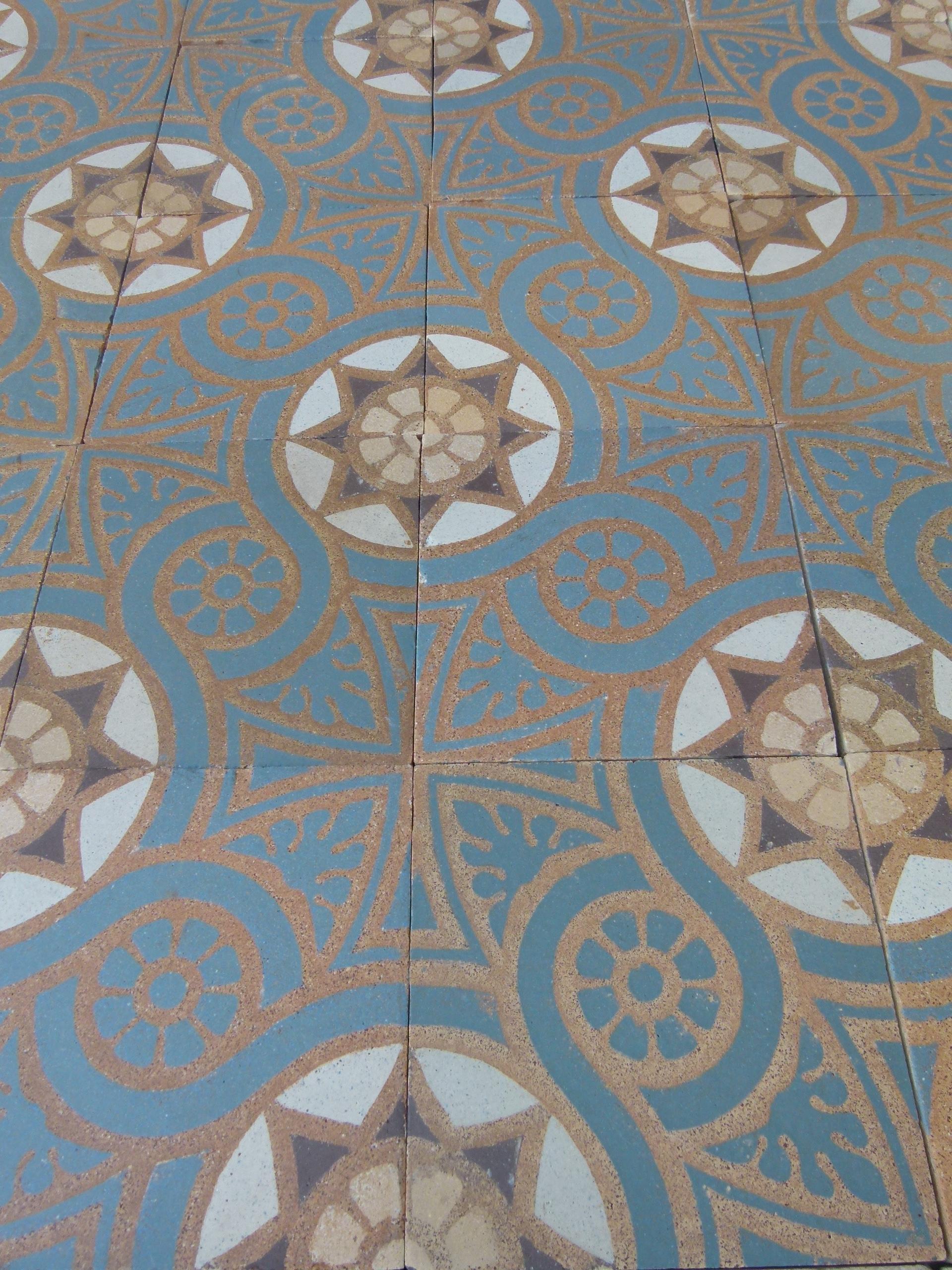
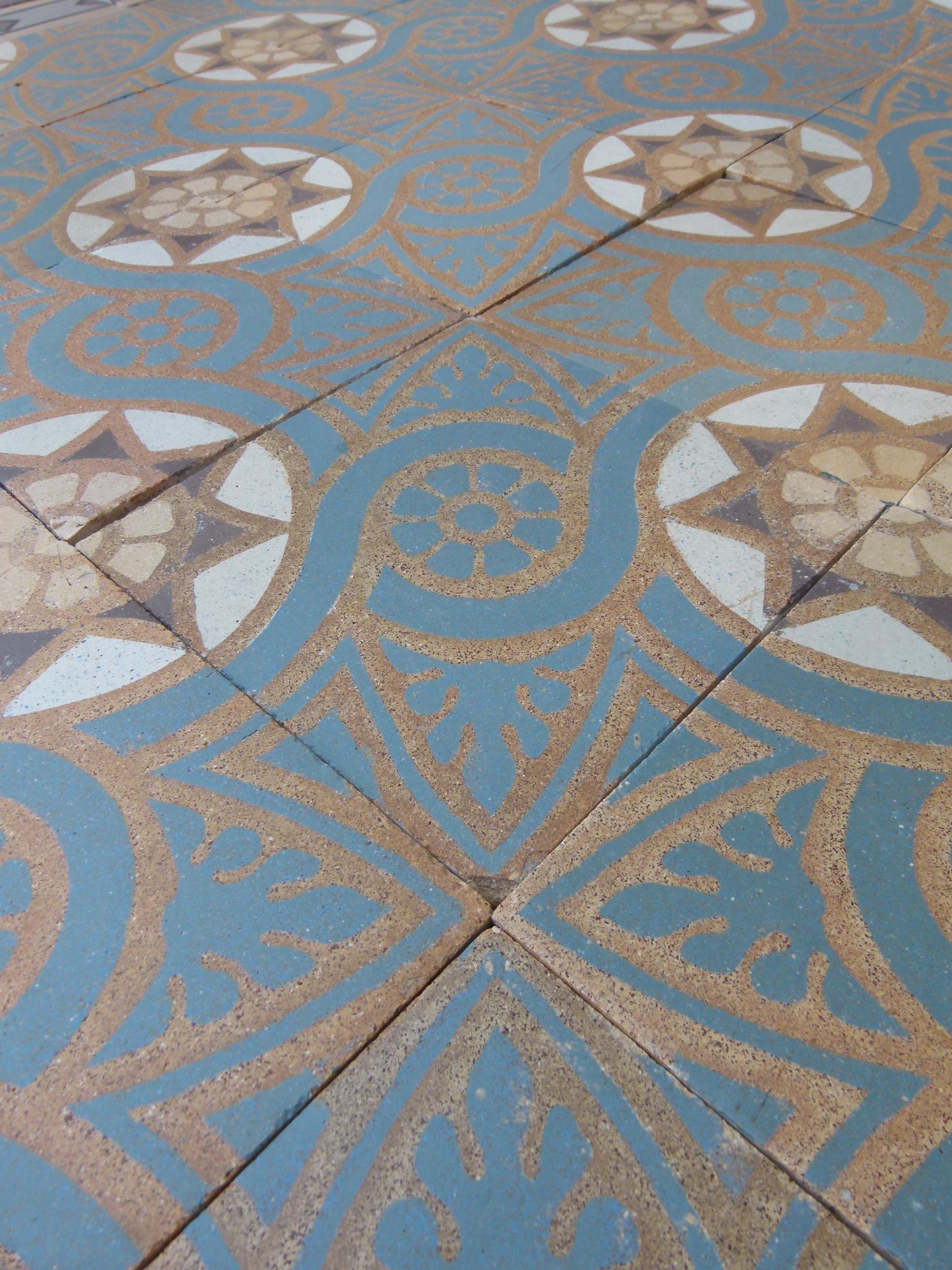
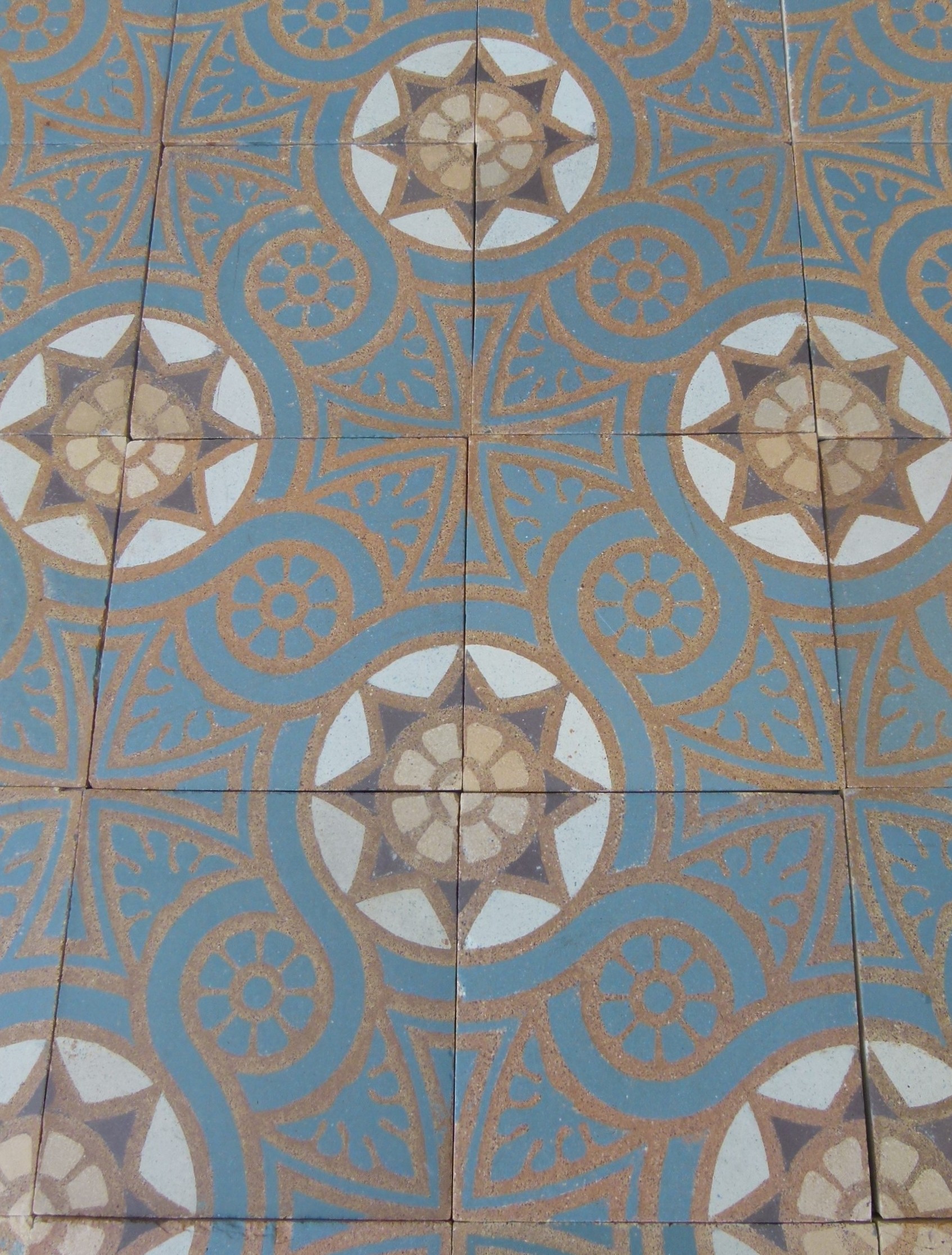
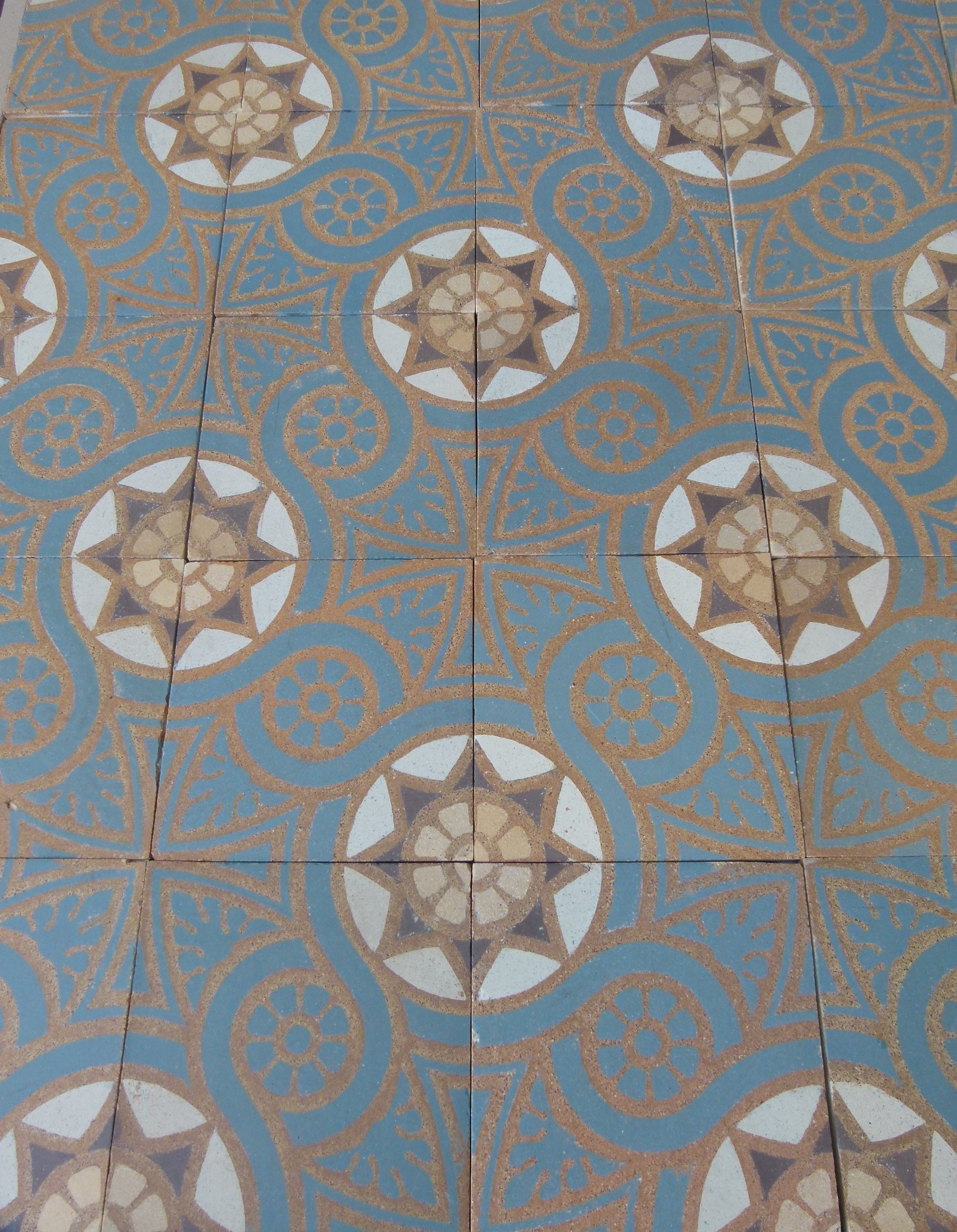
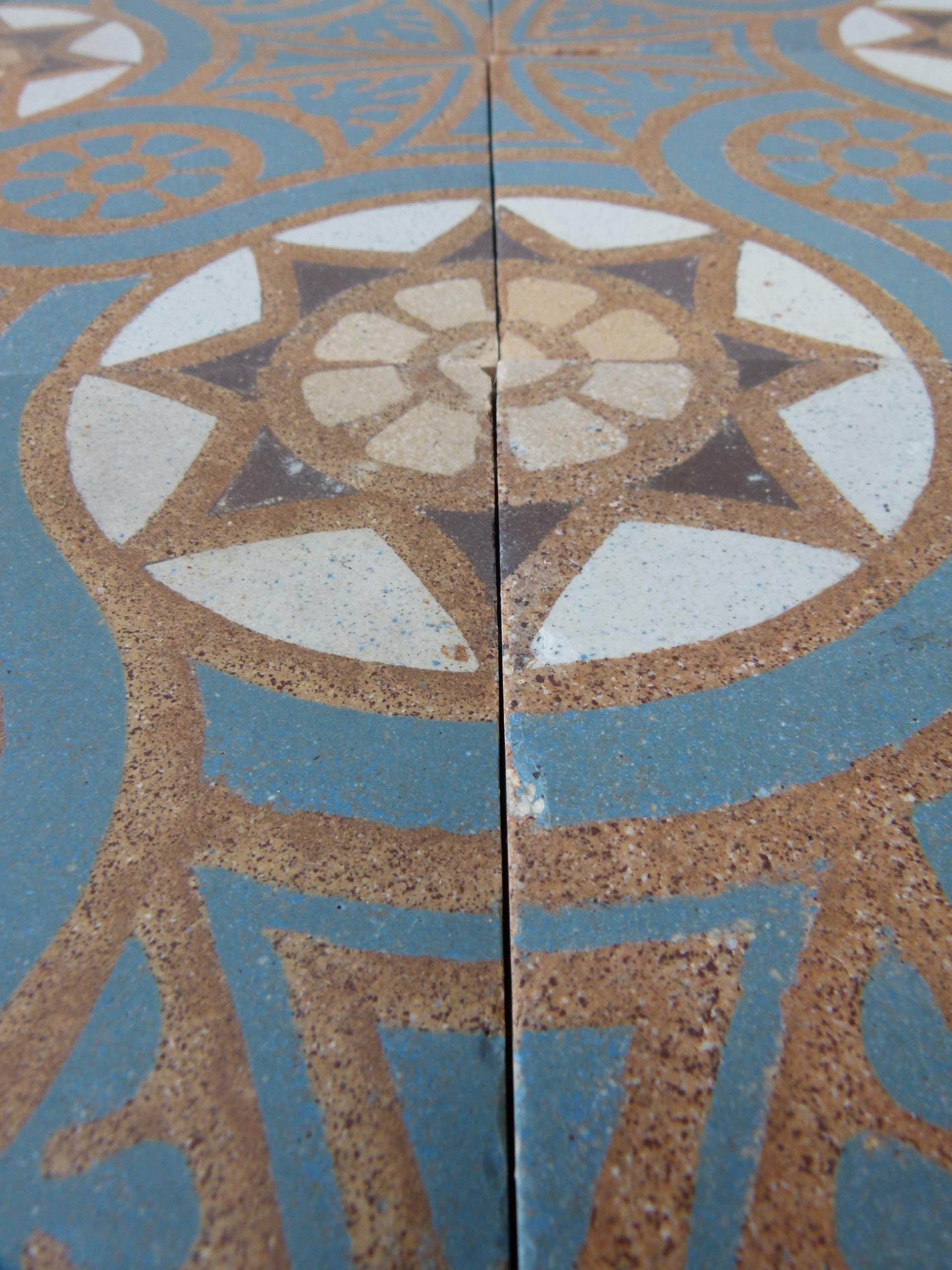
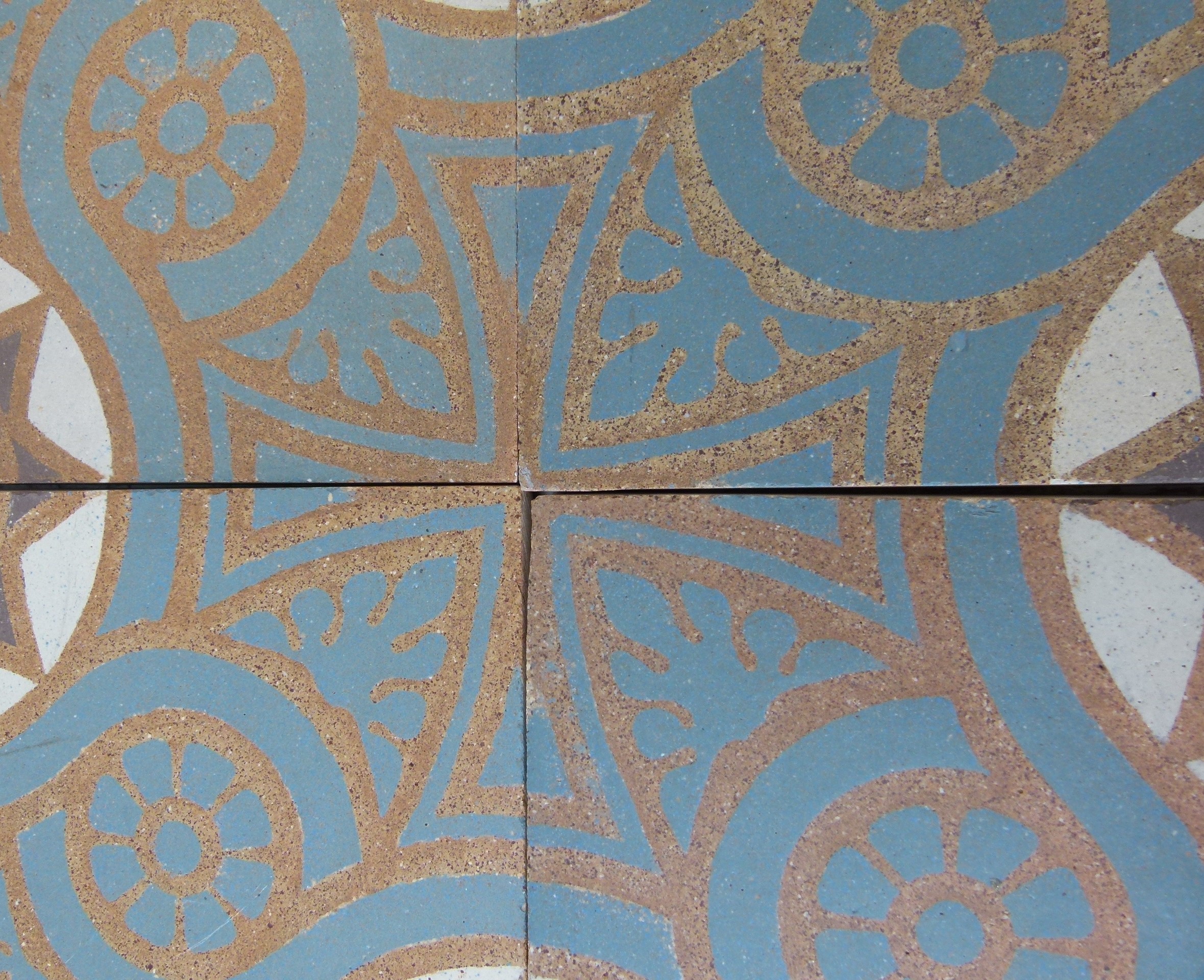
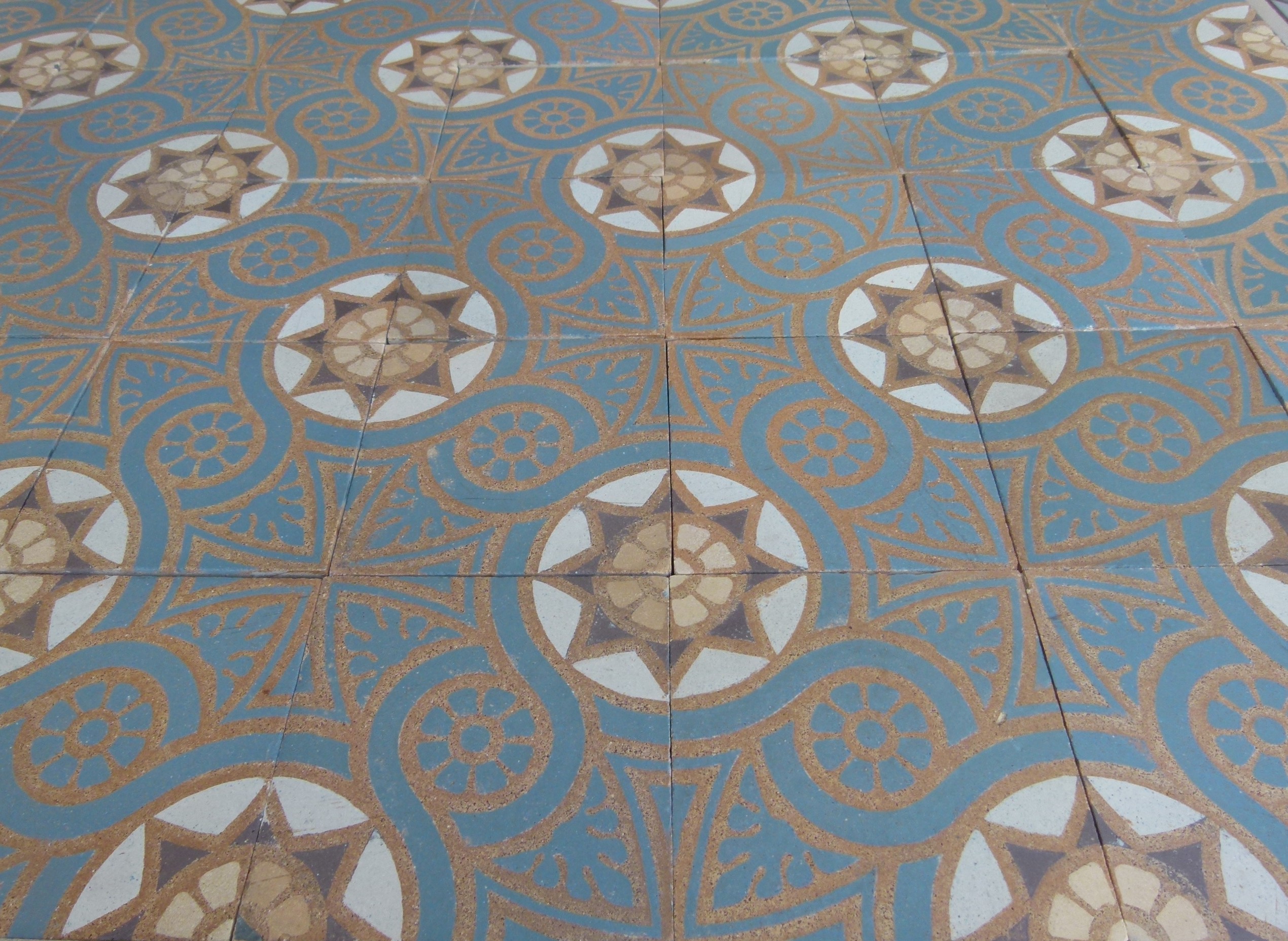
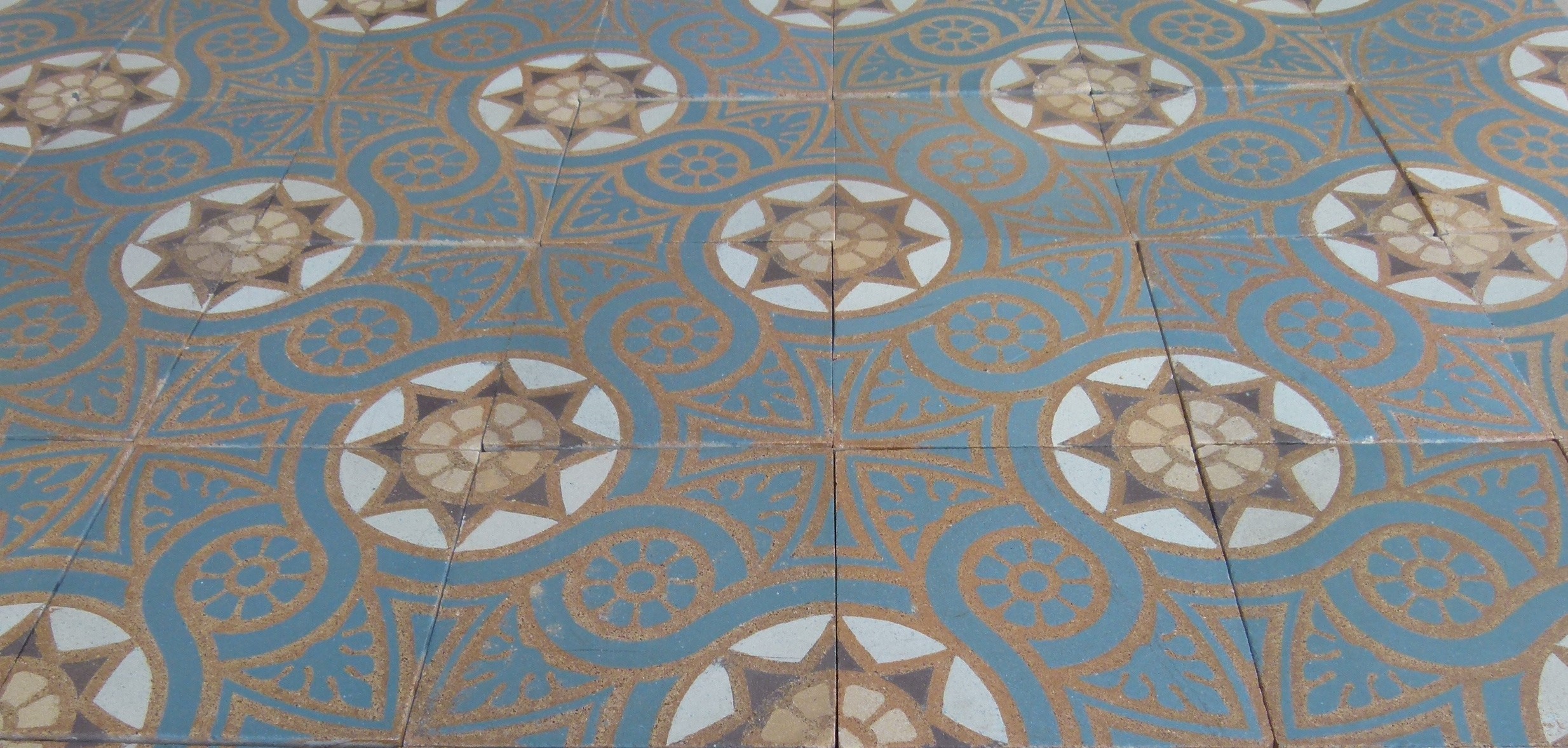
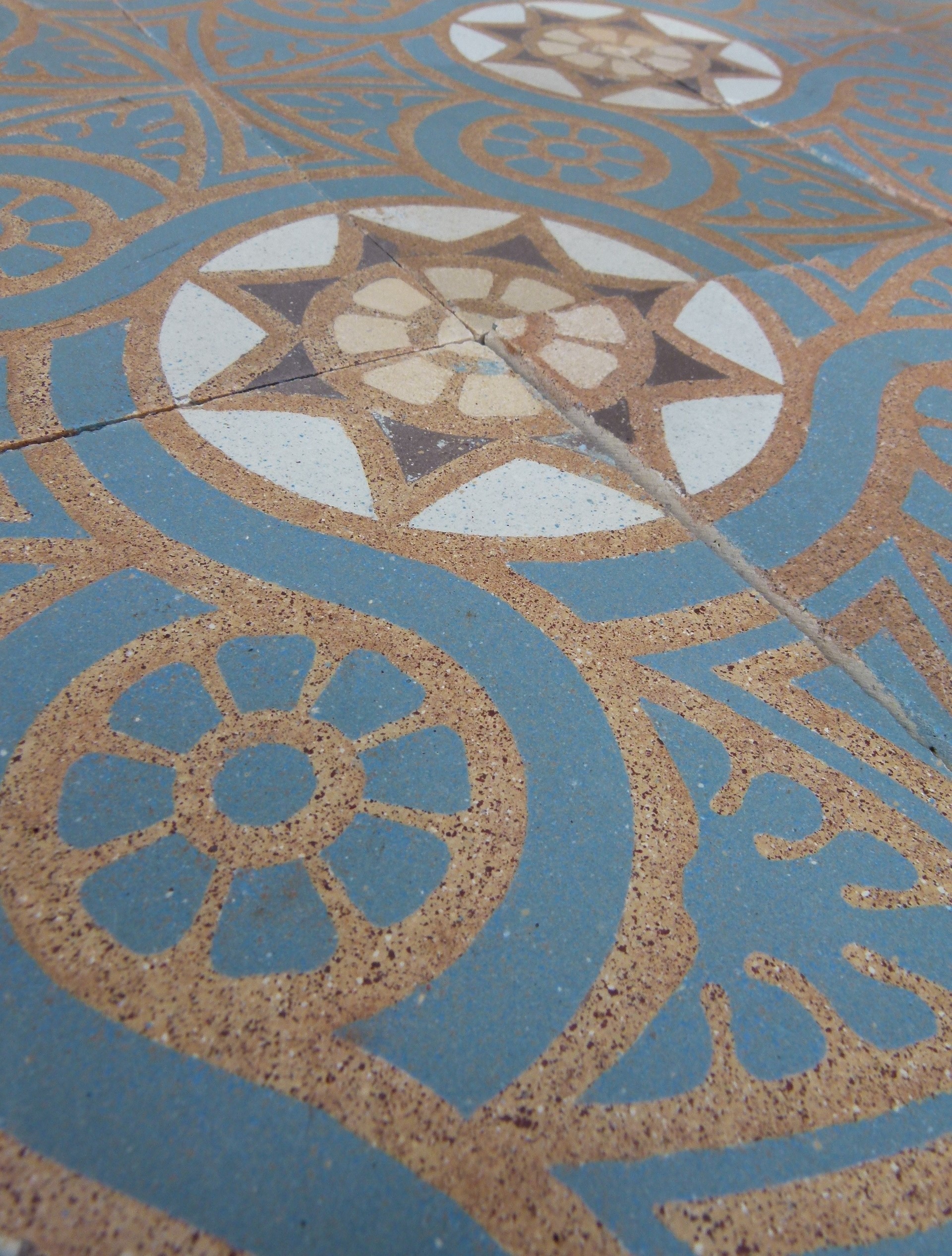
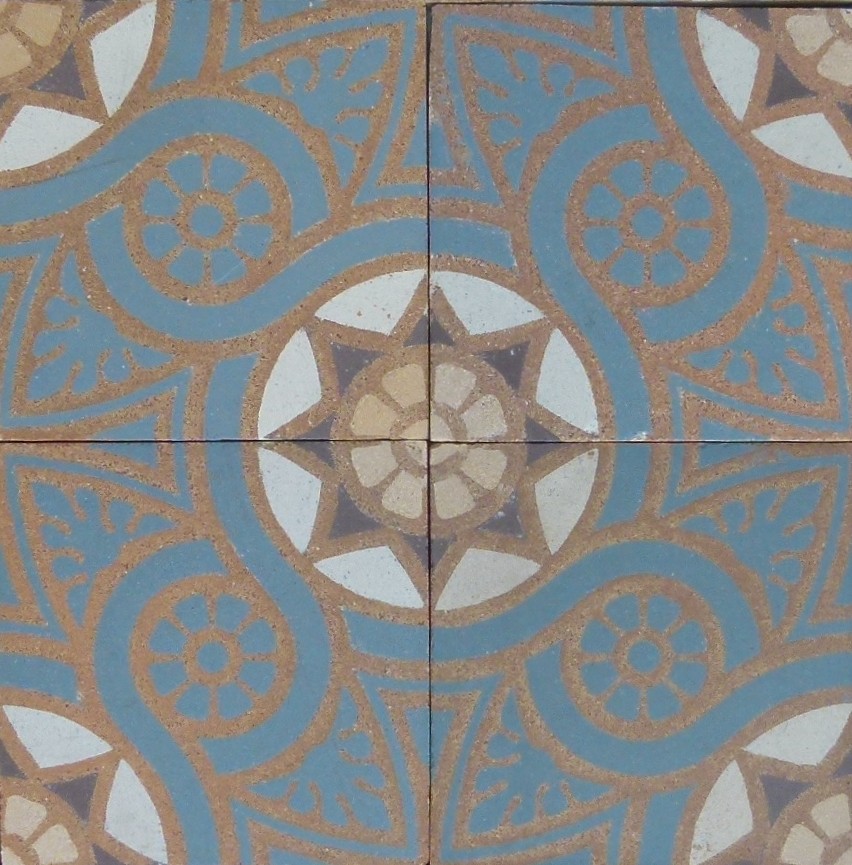
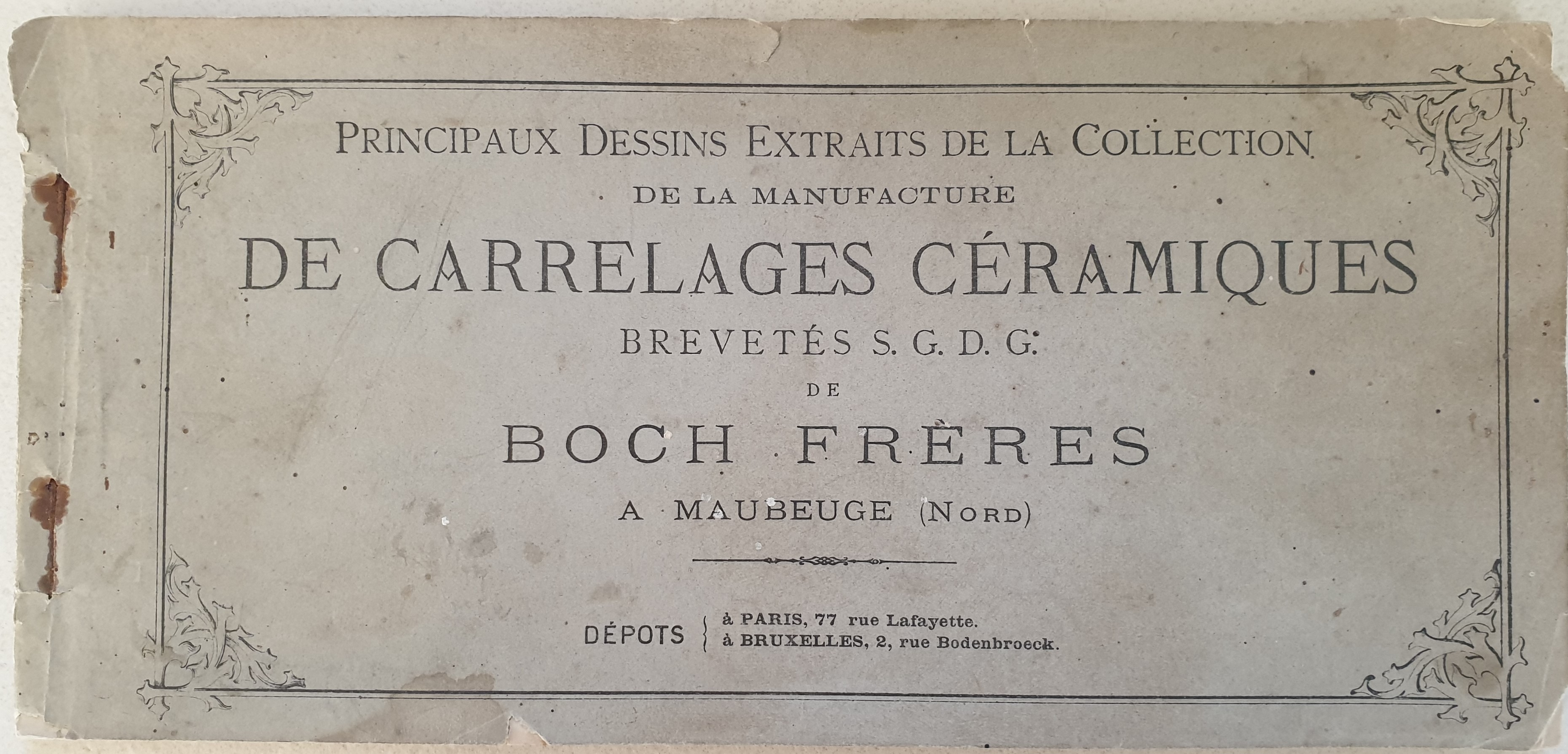
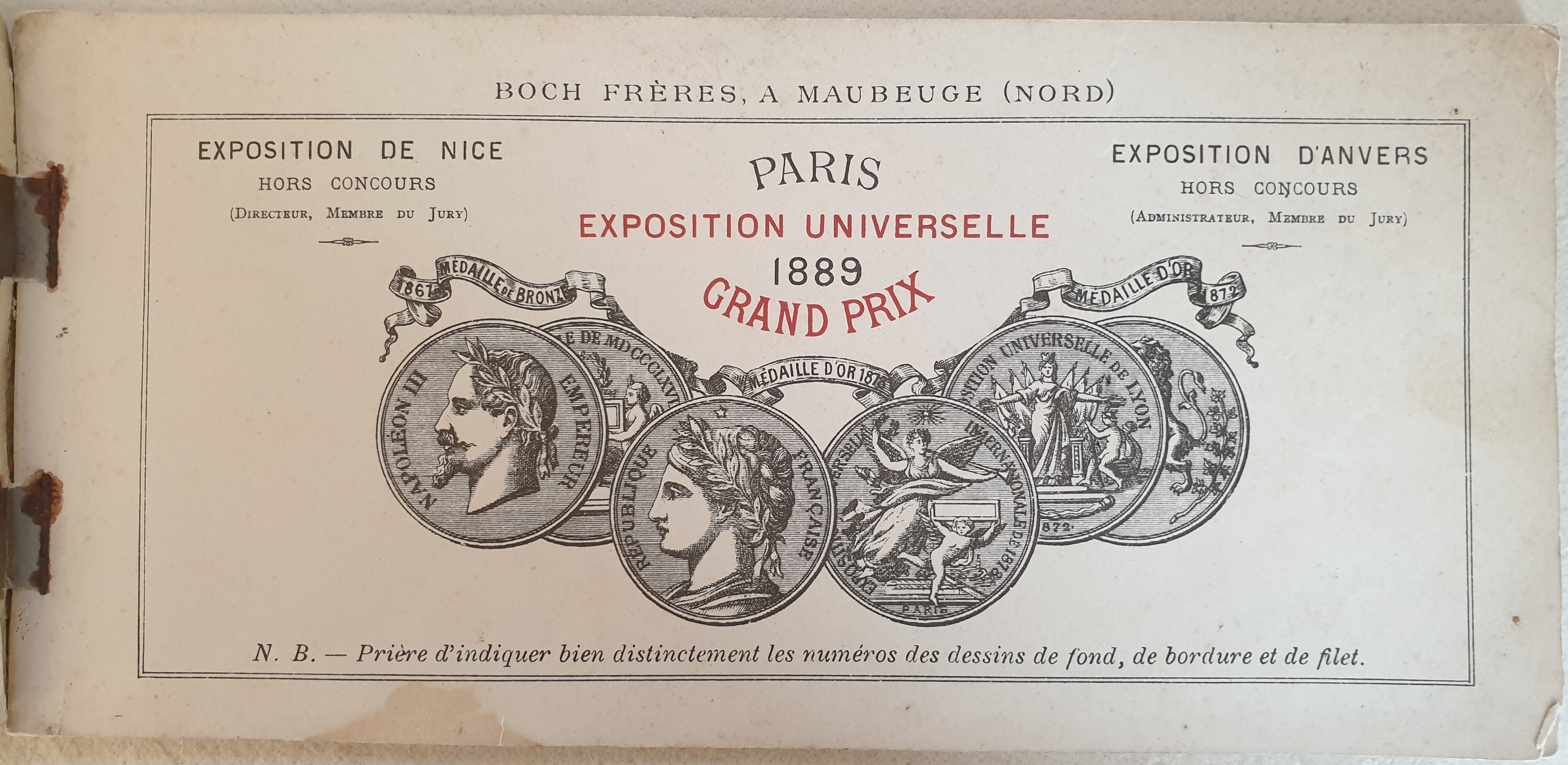
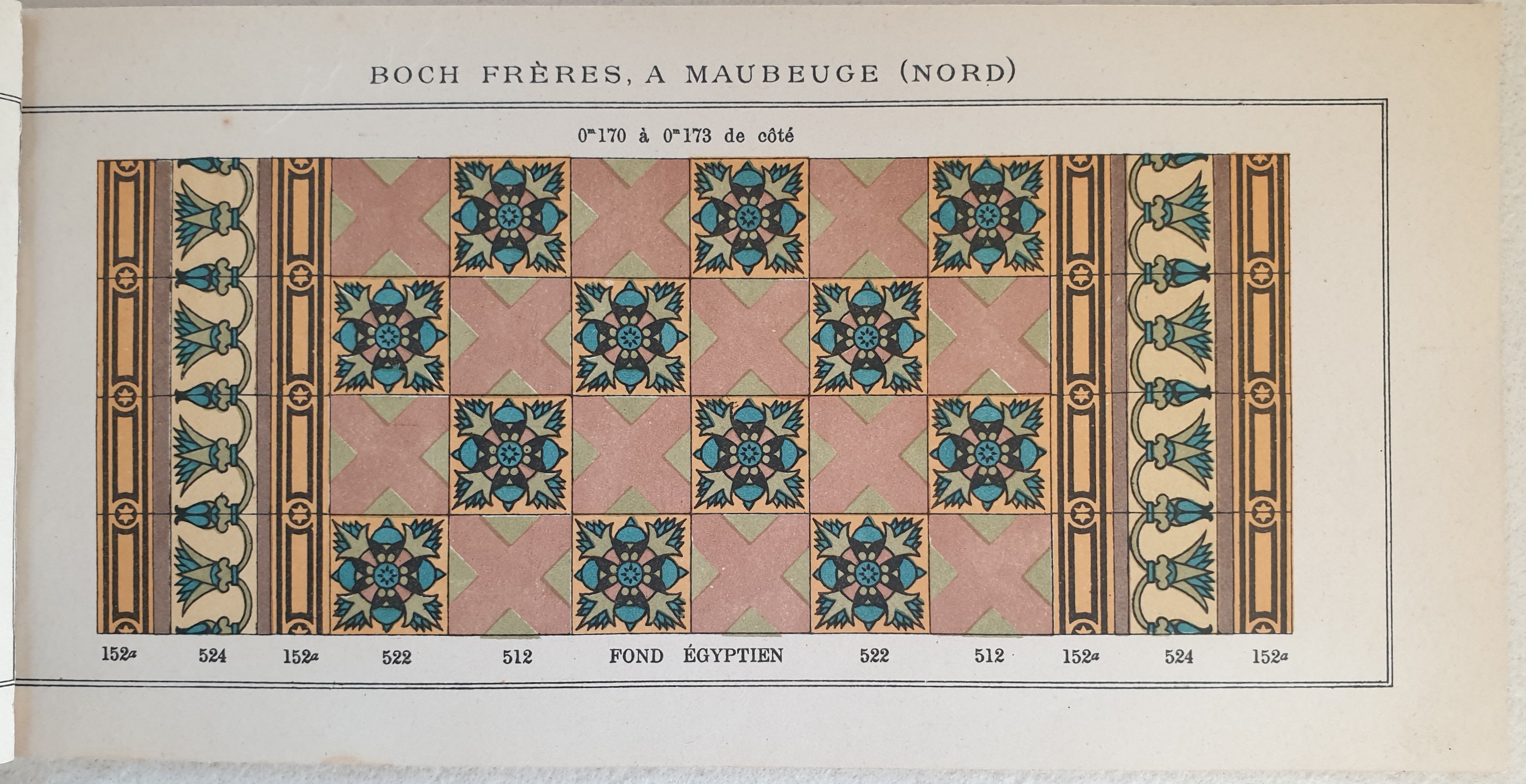
This exceptional handmade ceramic floor was manufactured by Ceramiques Boch Frères de Maubeuge, one of France's finest ceramic producers at the turn of the twentieth century. The design appears in the company's 1900 catalogue, where it is titled 'Fond Égyptien', providing outstanding documented provenance and placing the floor amongst the finest examples of French architectural ceramics of the Belle Époque.
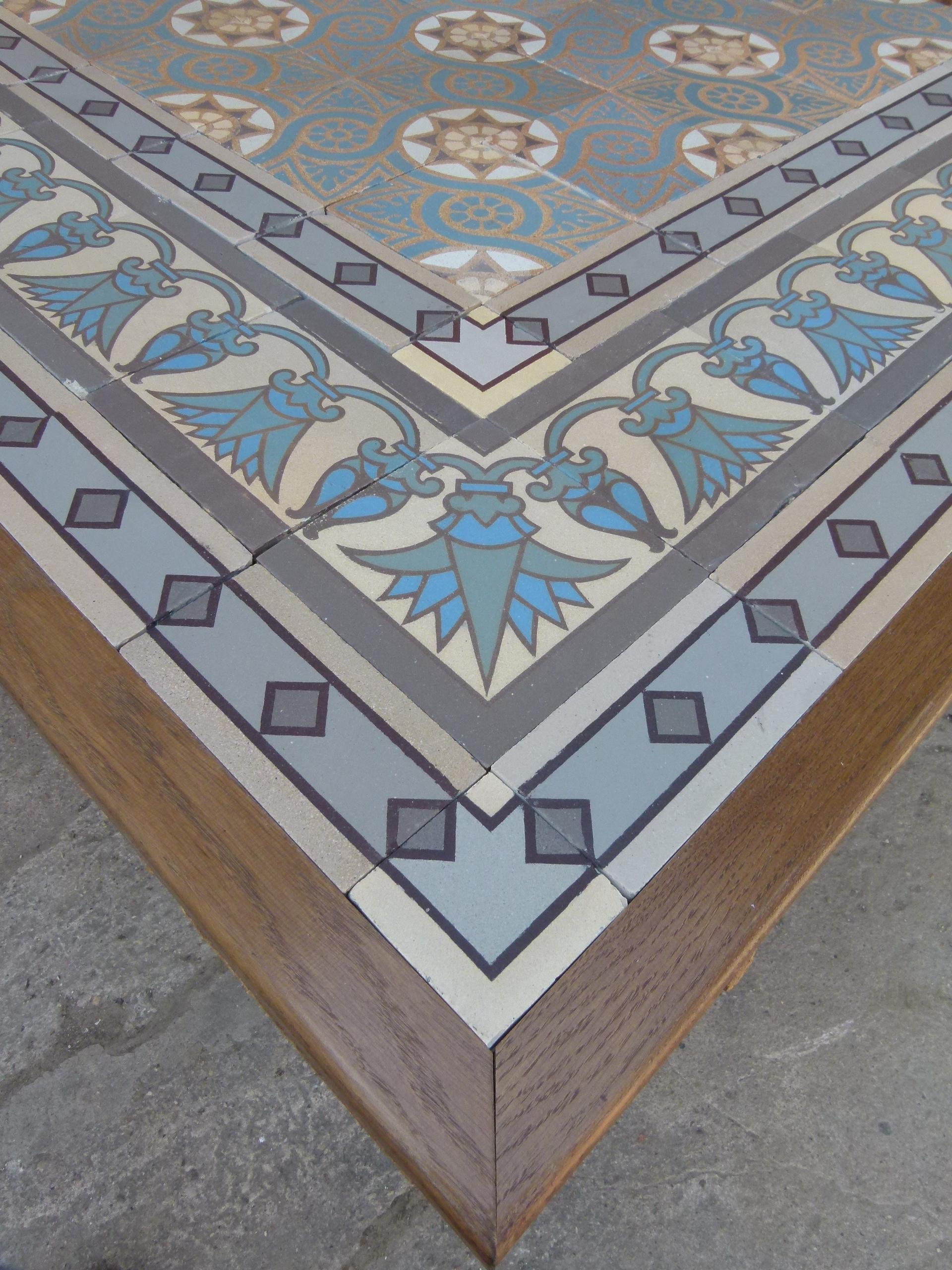
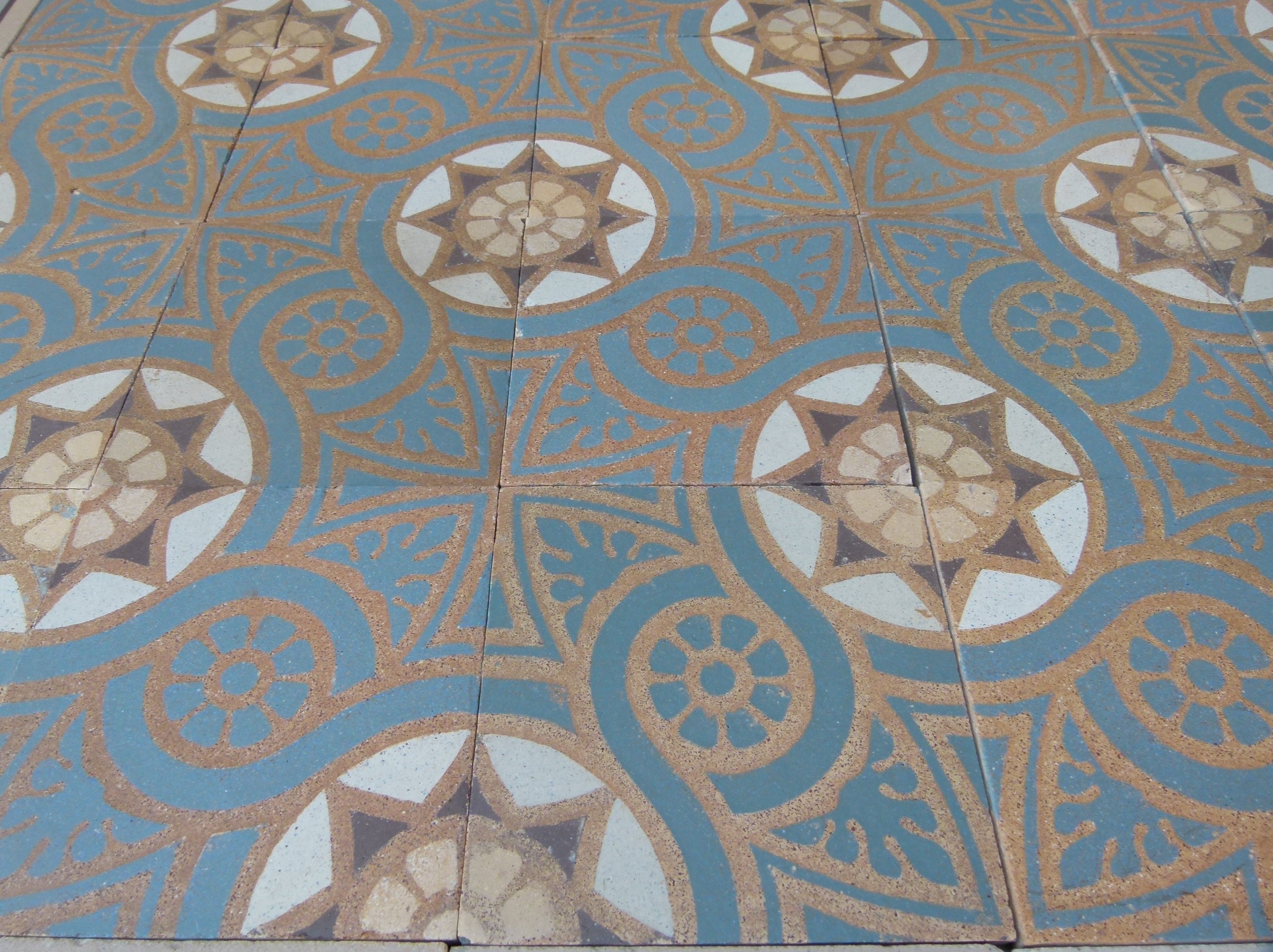
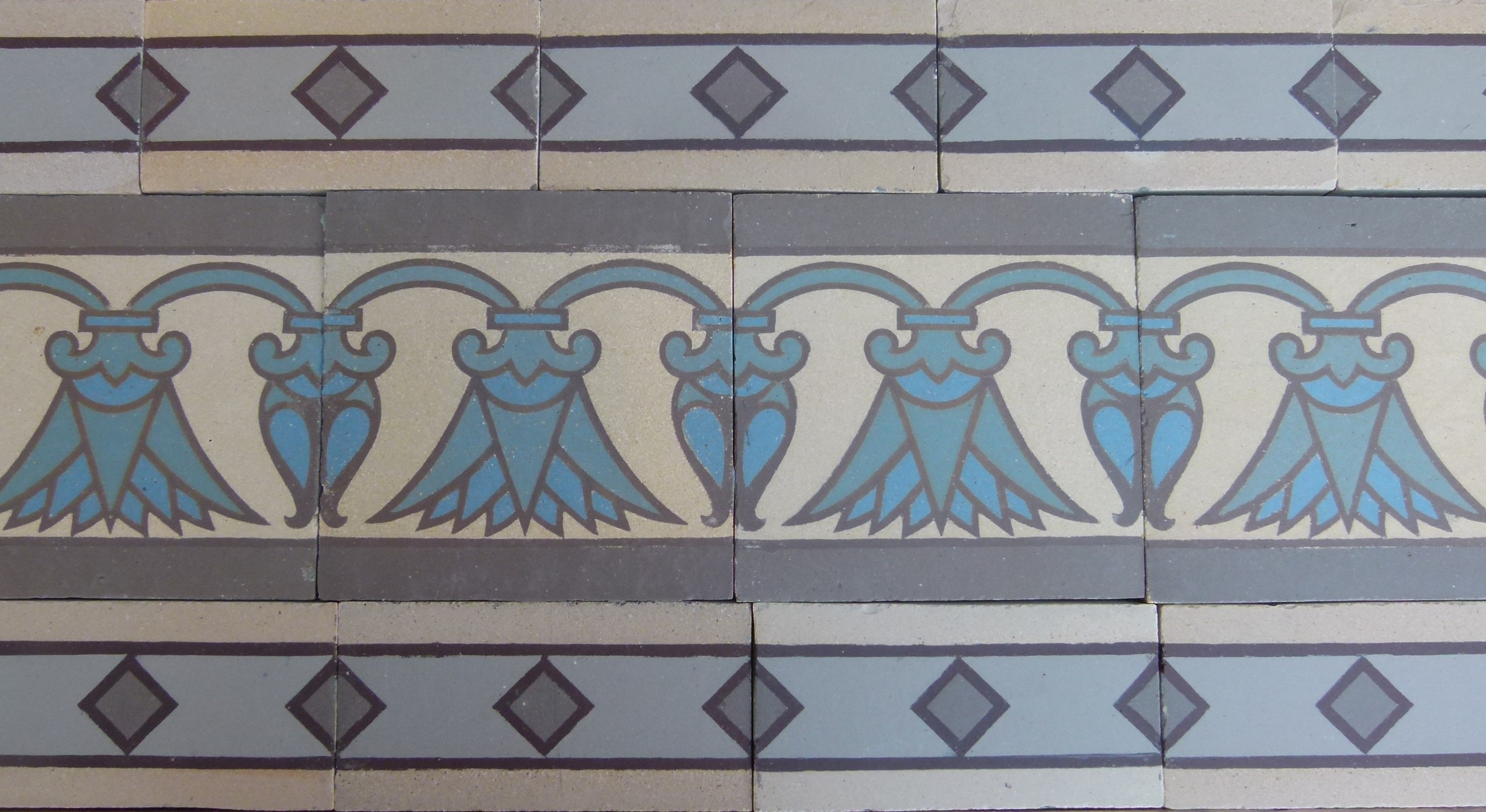
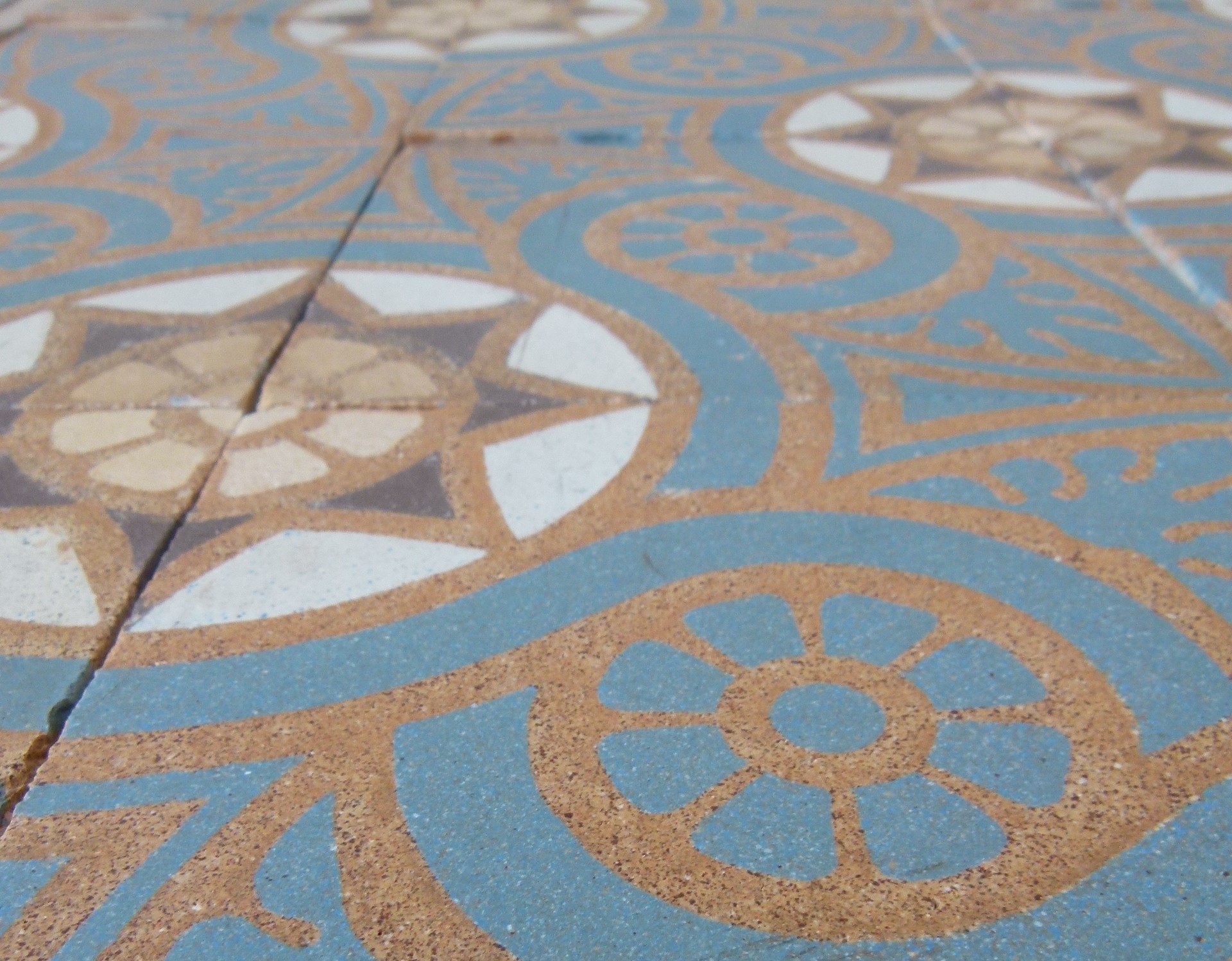
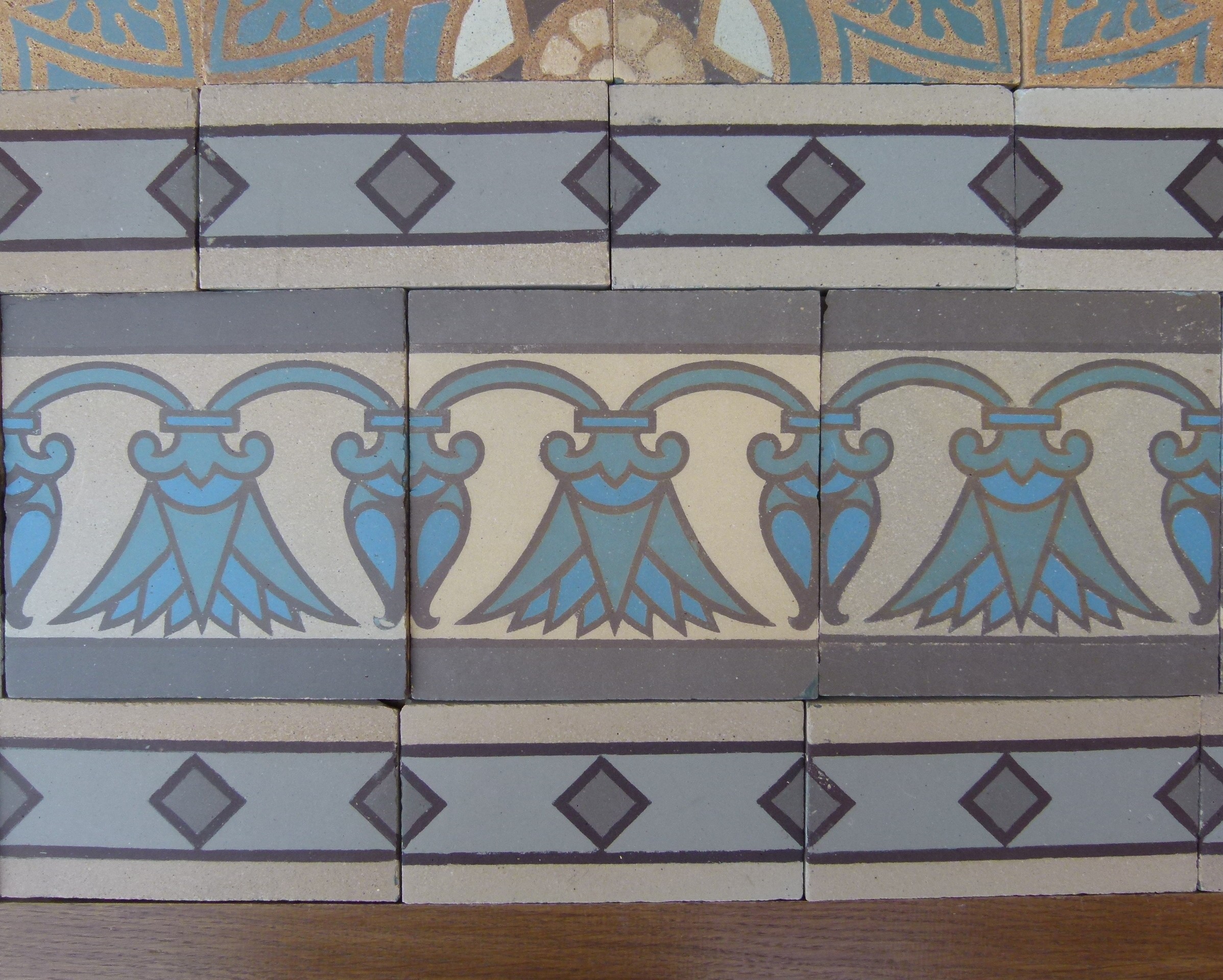
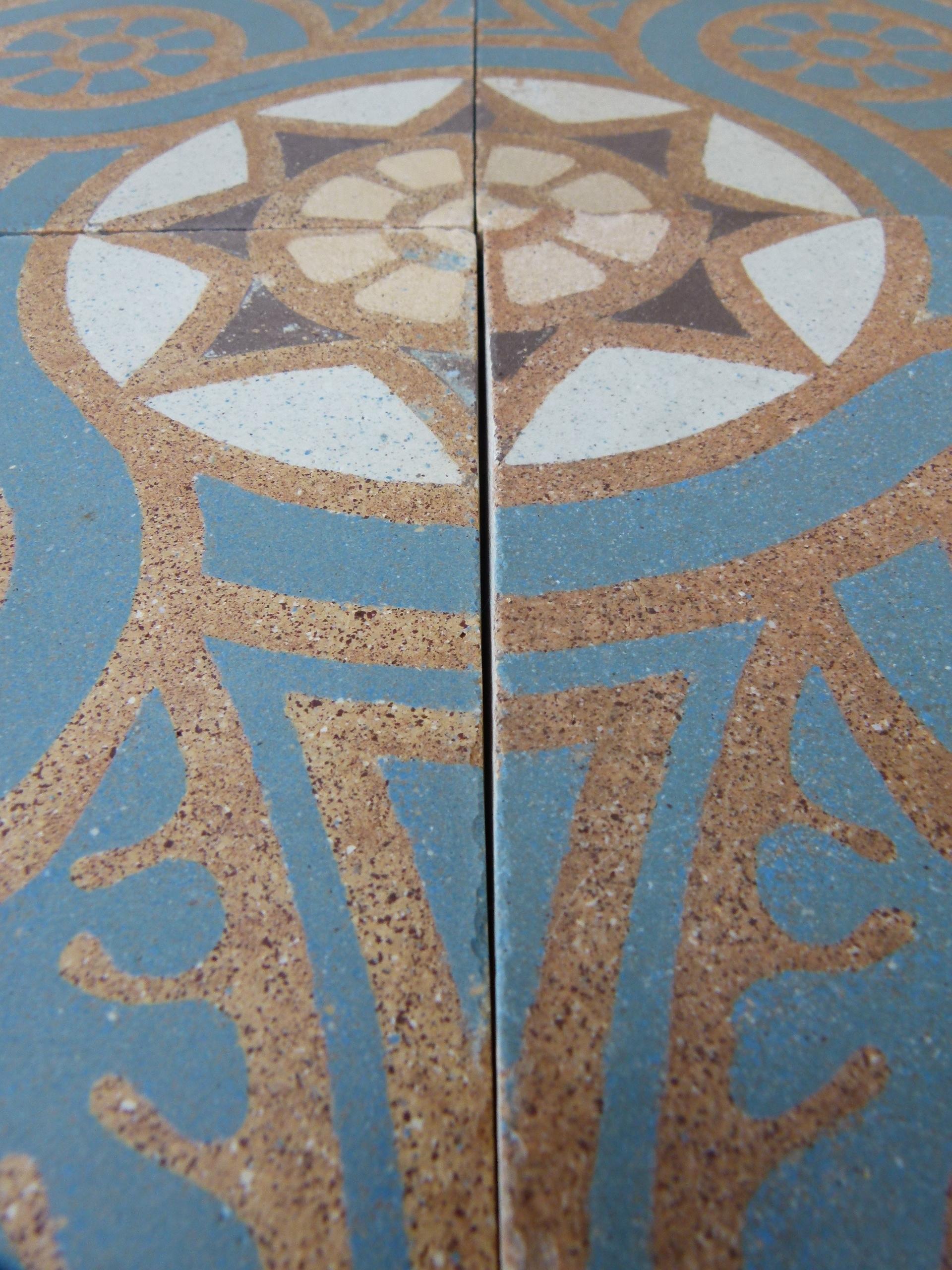
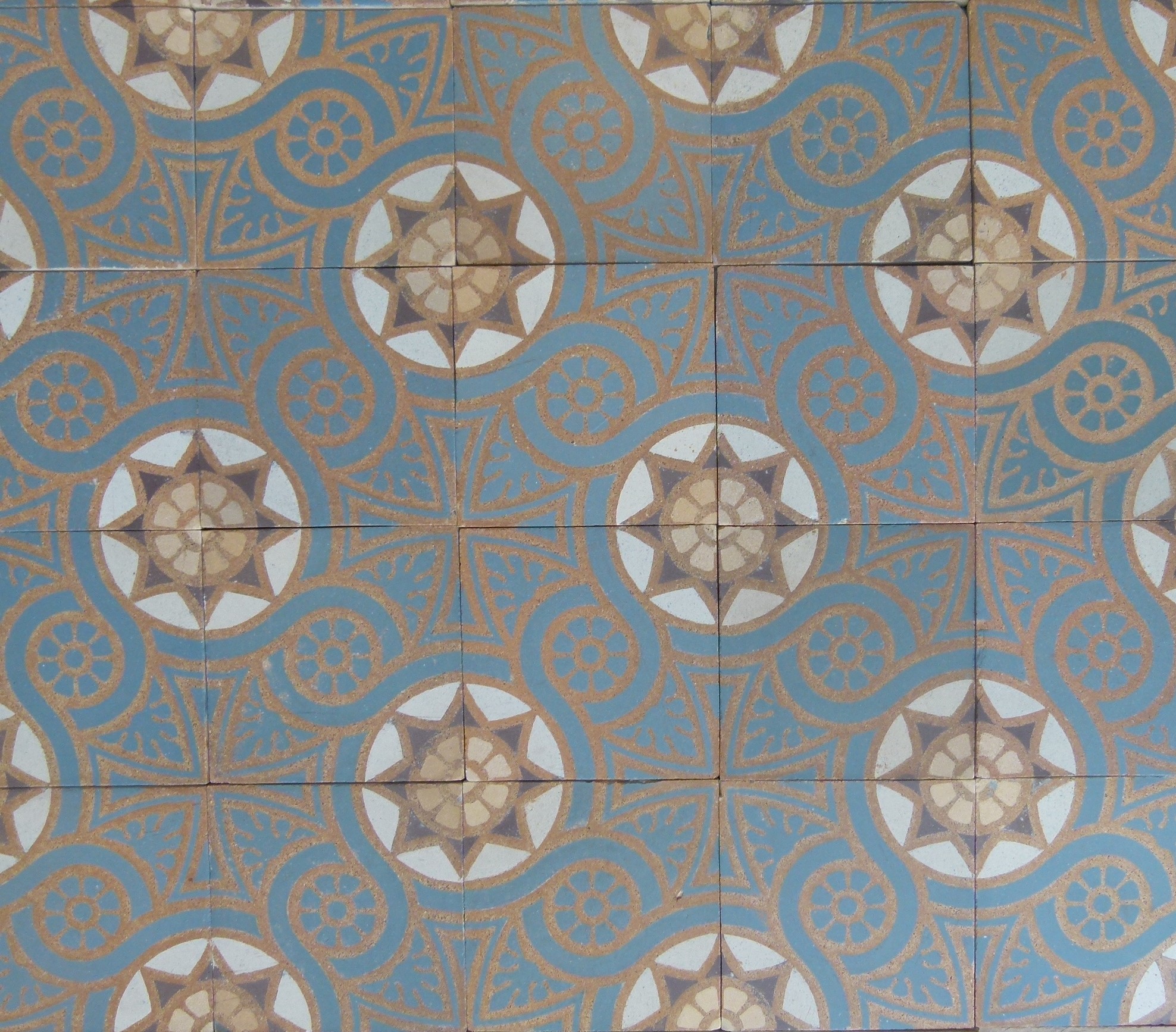
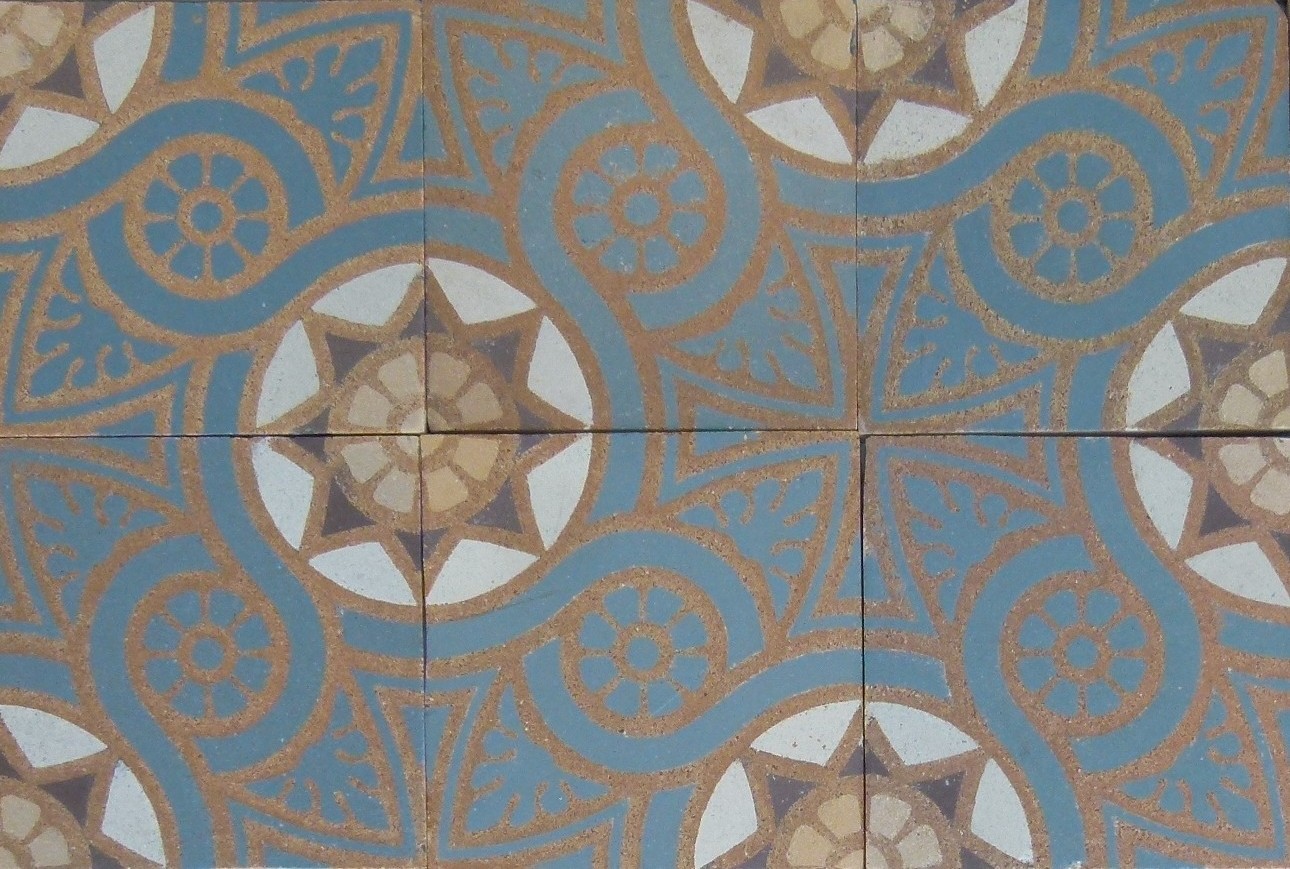
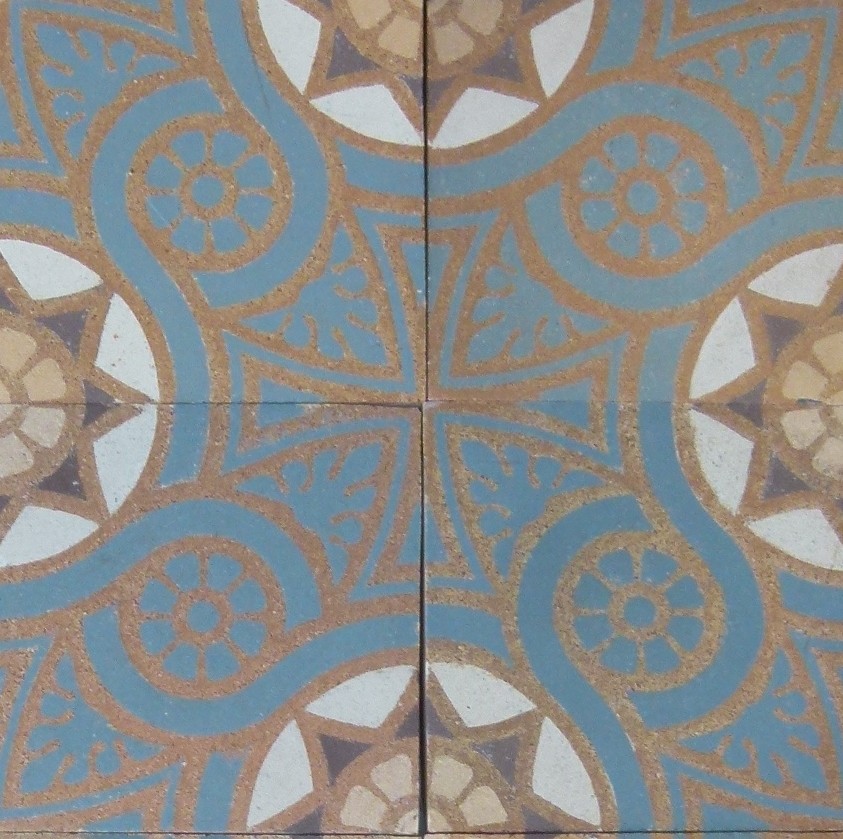
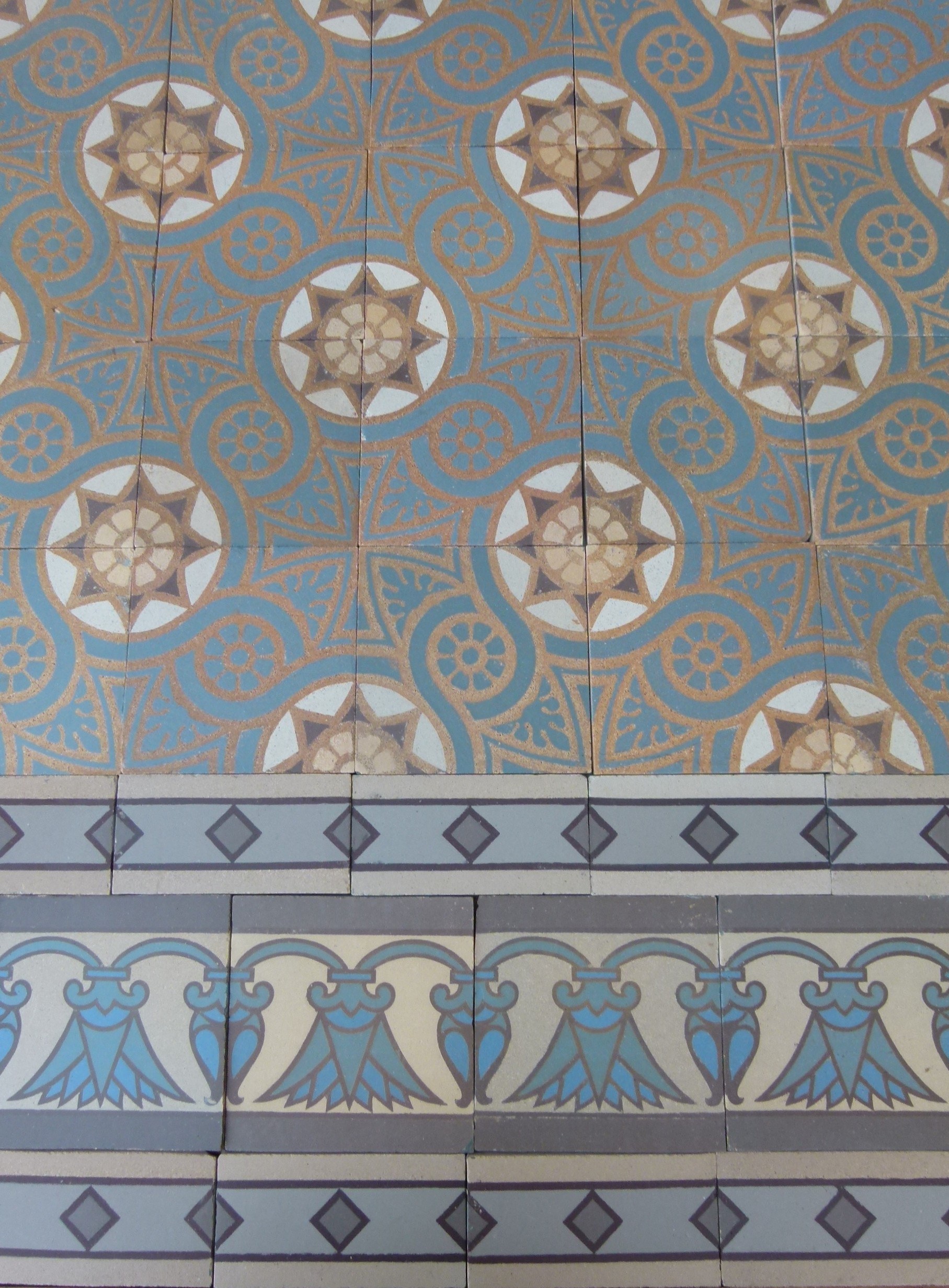
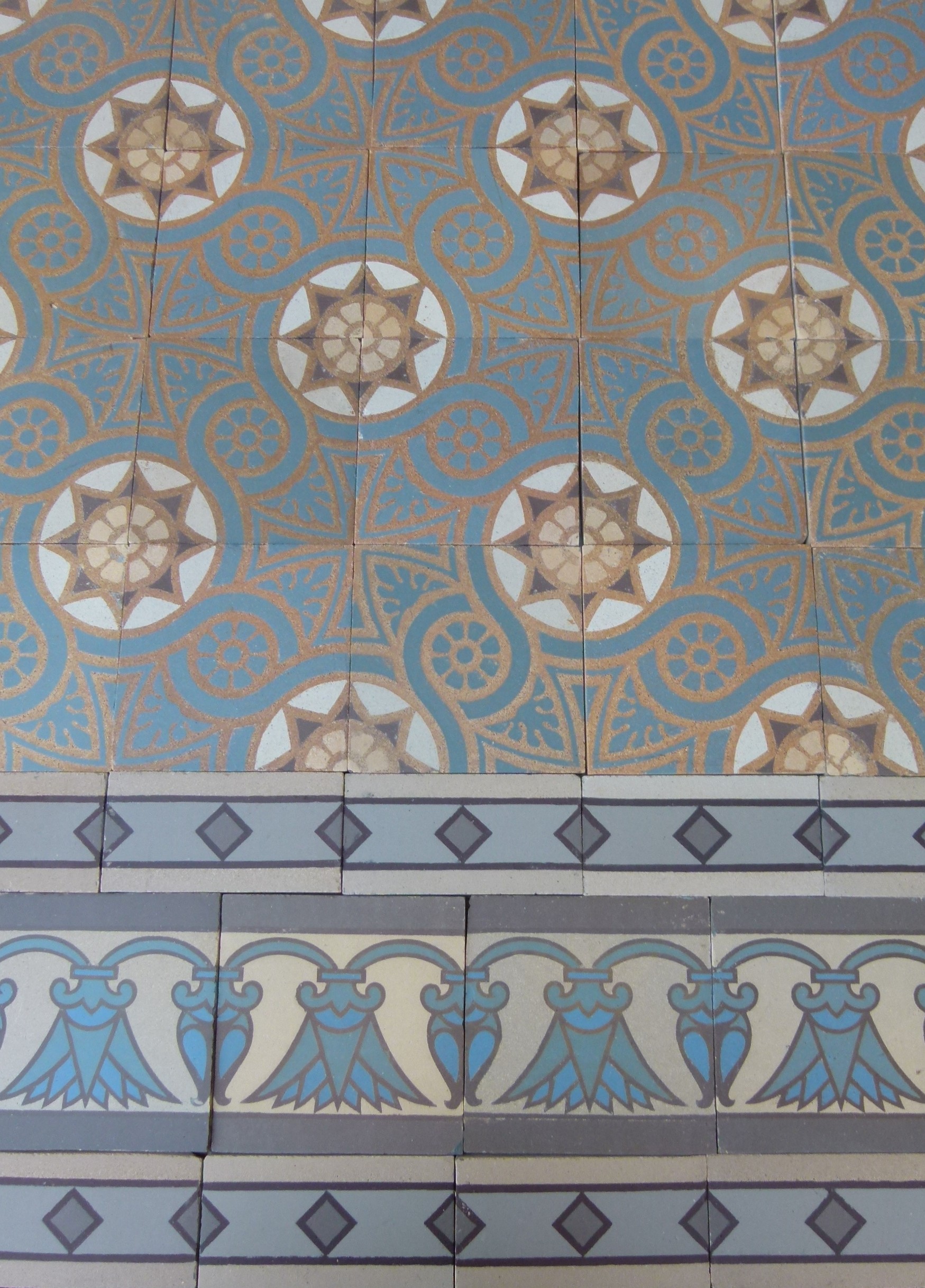
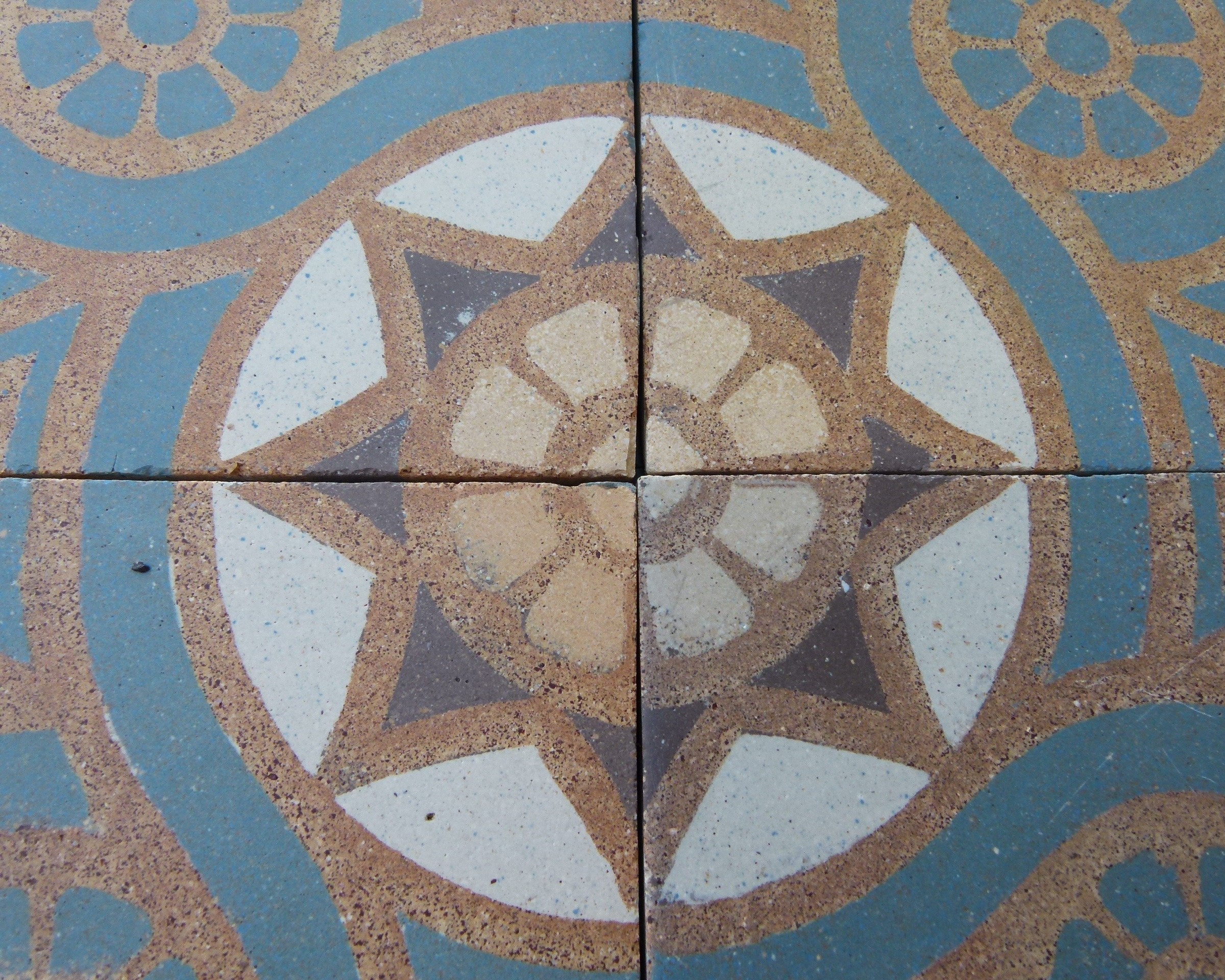
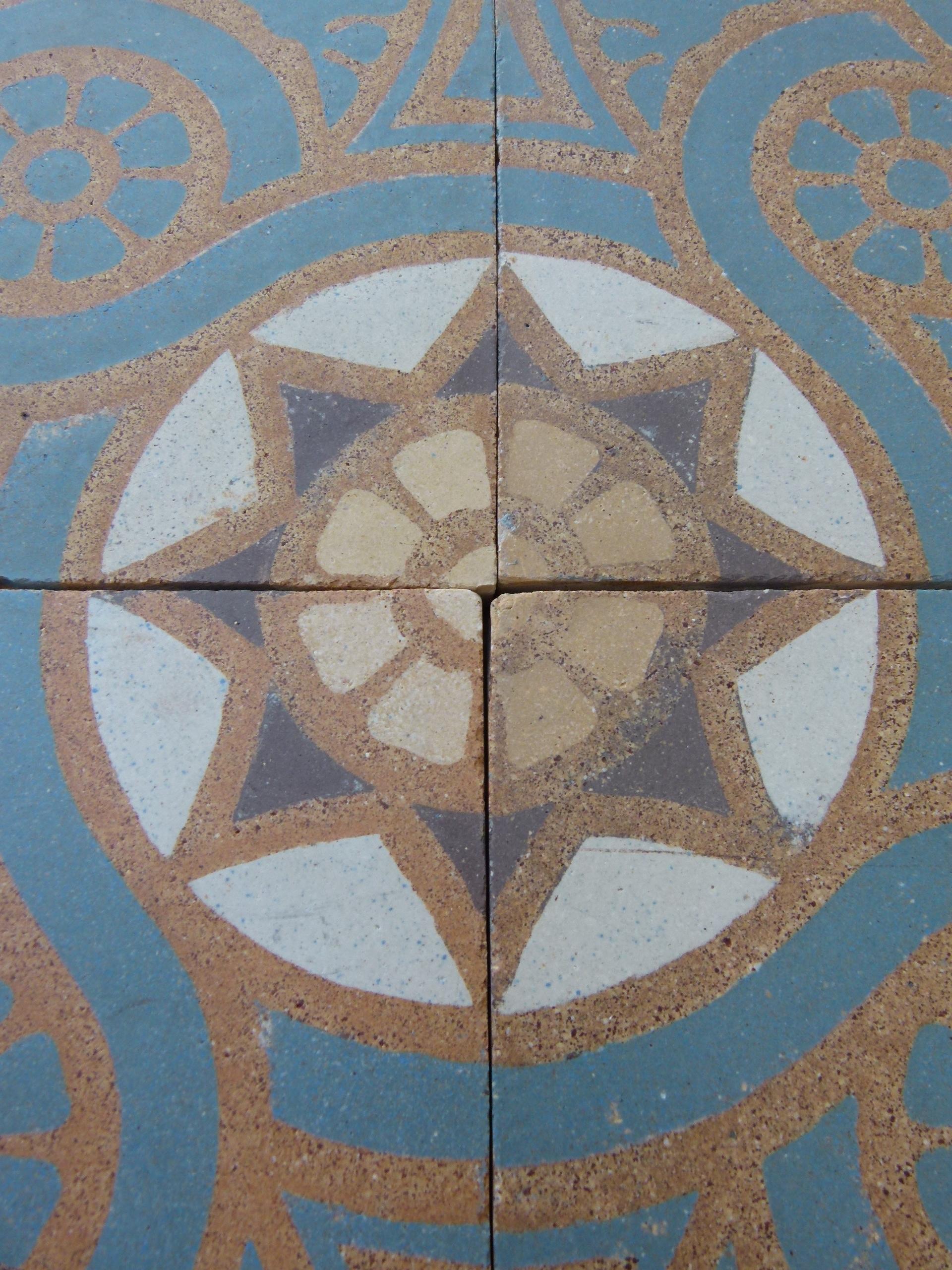
The accompanying gallery includes original catalogue illustrations, presenting the floor in 1900, together with photographs taken from randomly selected areas of the floor, demonstrating the remarkable consistency of the design alongside the subtle tonal variation that only genuine handmade ceramics can possess.
With its elegant flowing geometry, restrained palette and beautifully balanced composition, this is a floor of considerable architectural presence. The rich blues, warm ochres, soft creams and charcoal greys create a timeless design that complements both period interiors and contemporary homes.
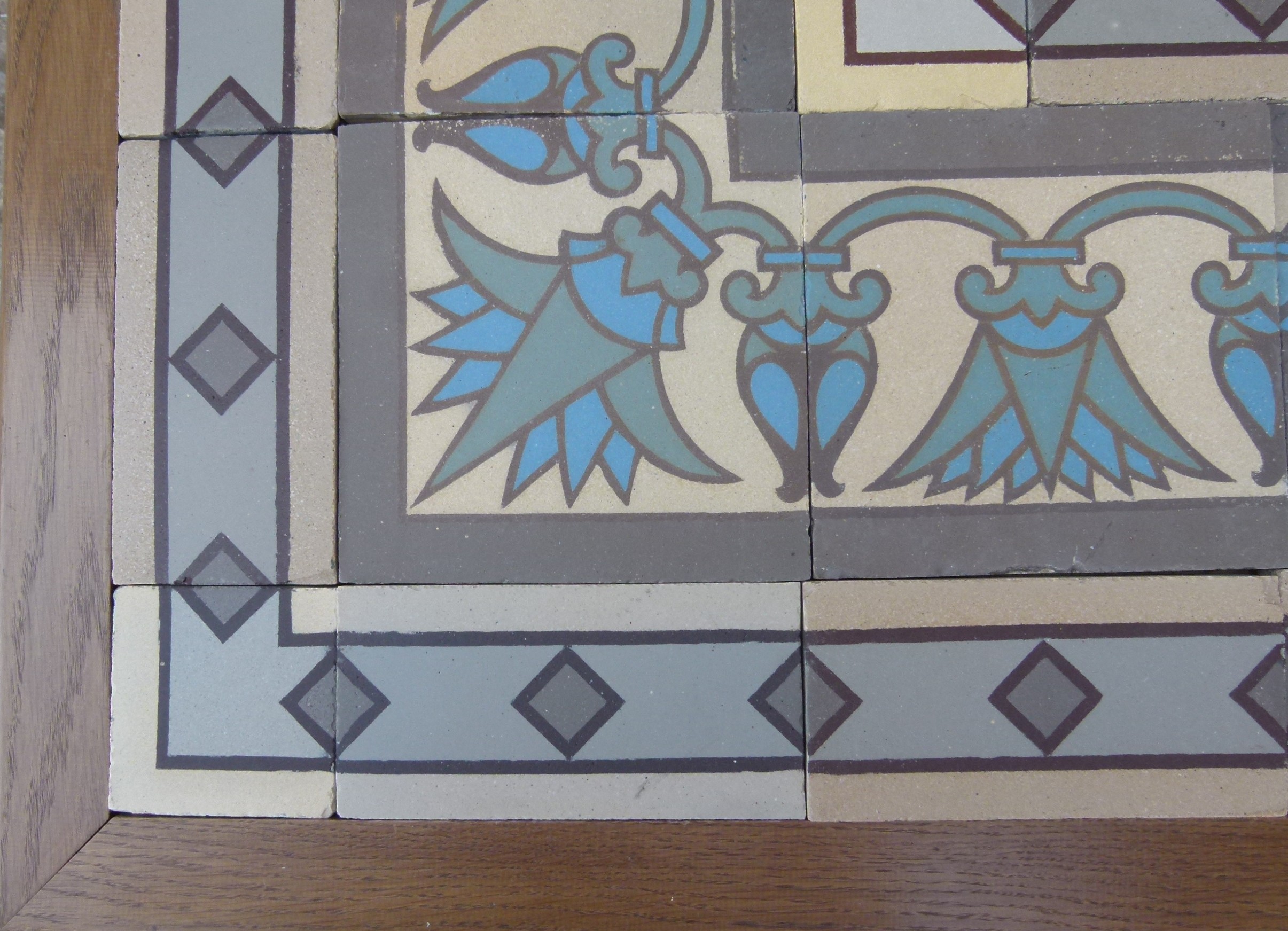
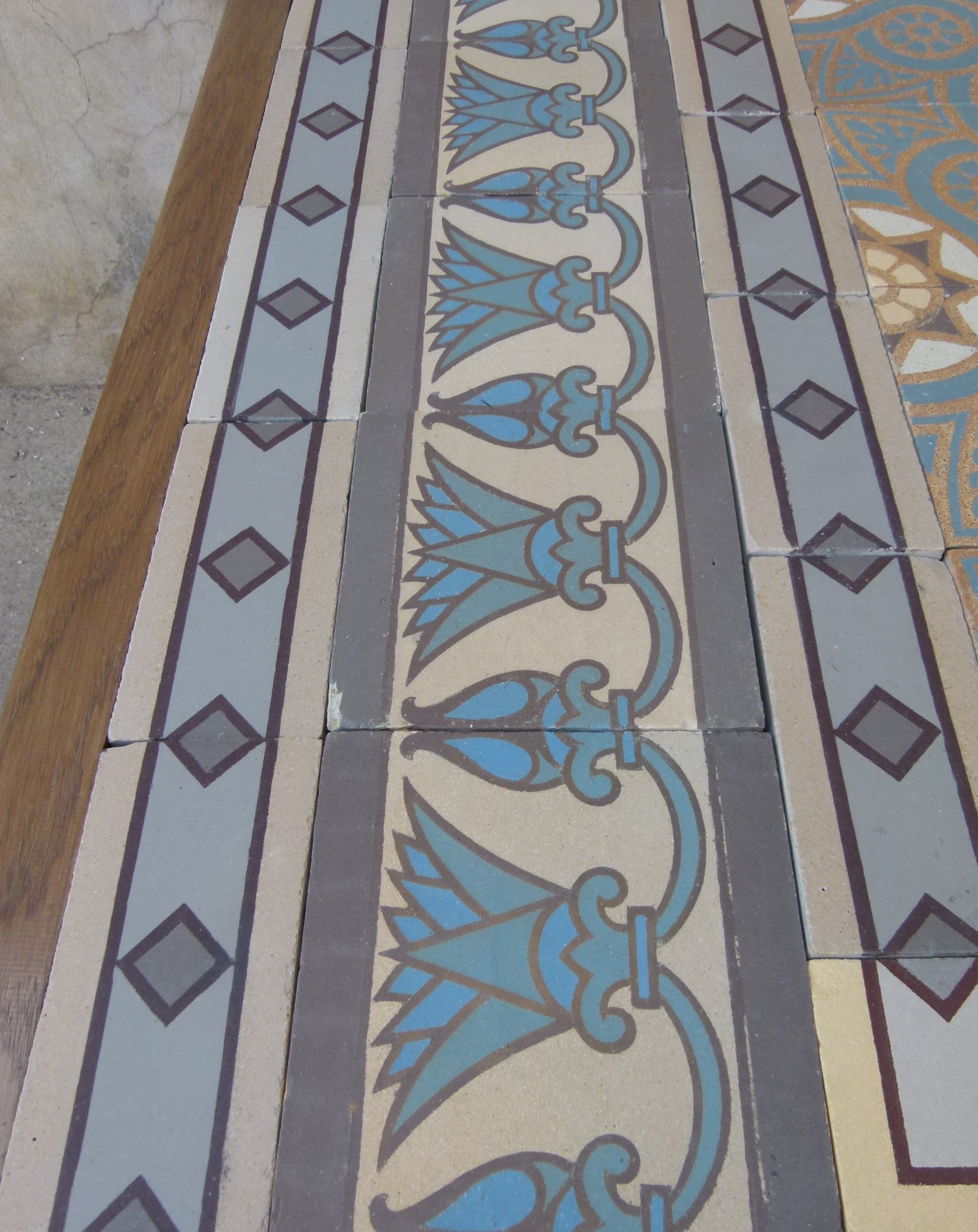
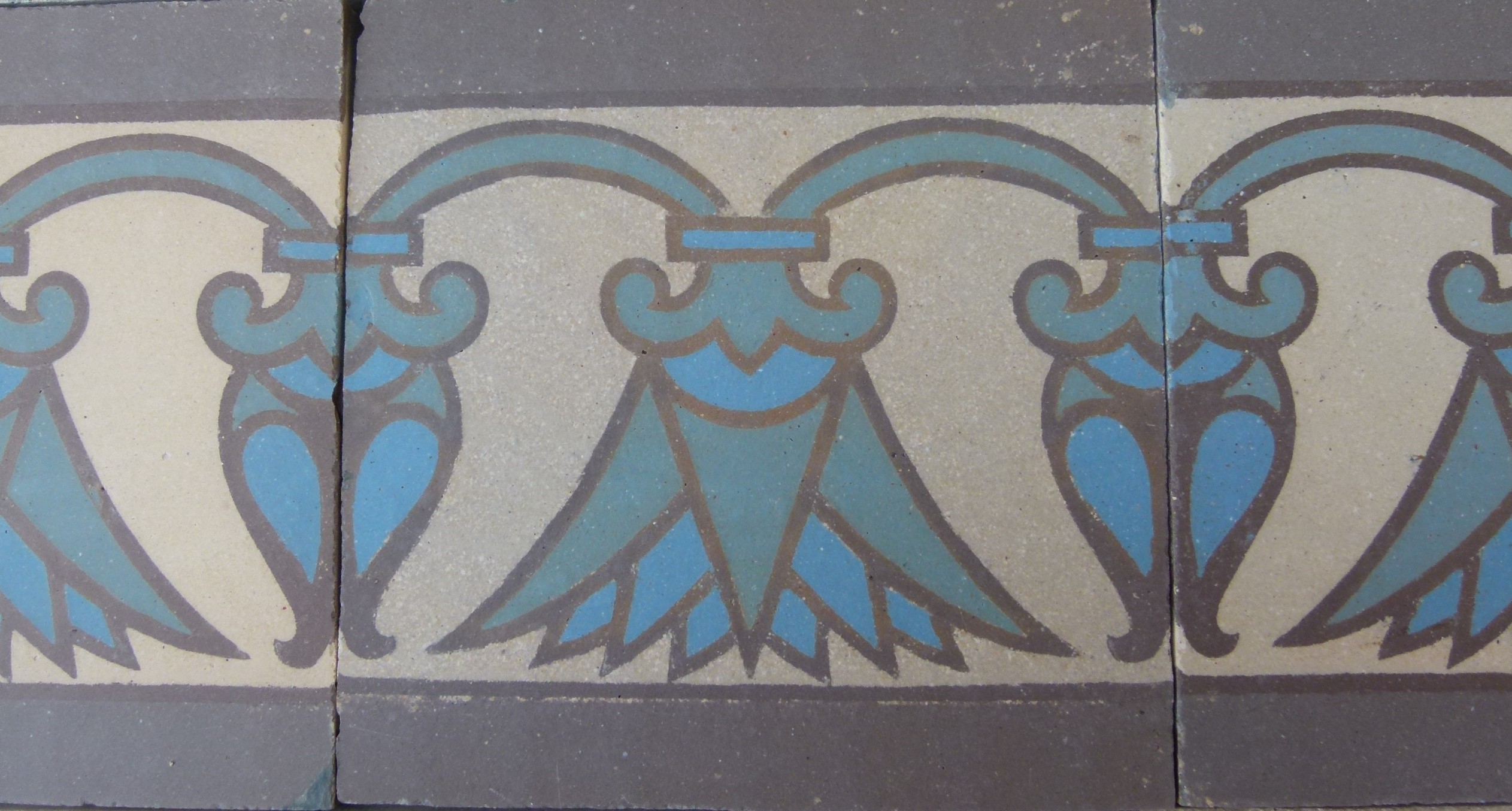
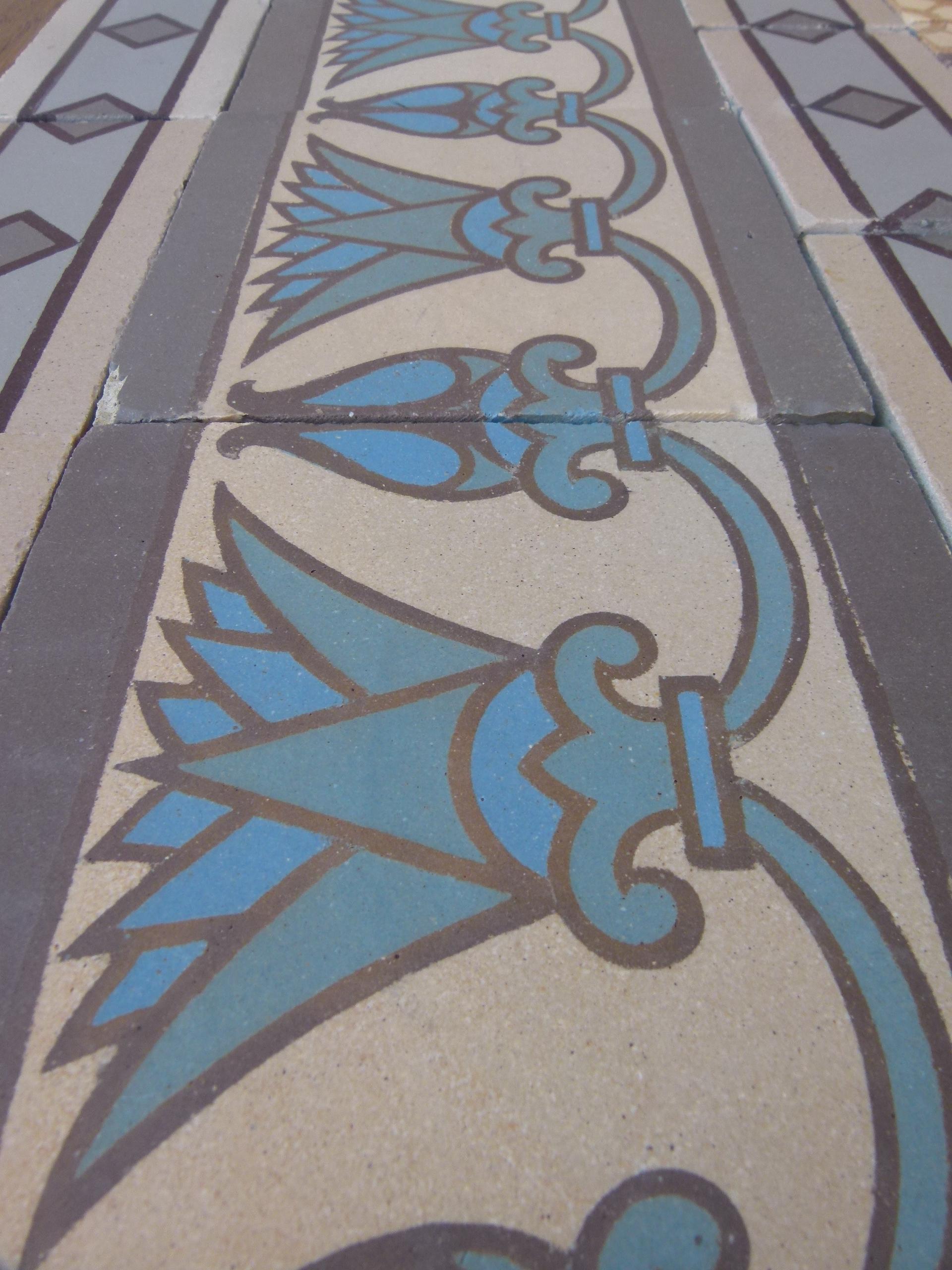
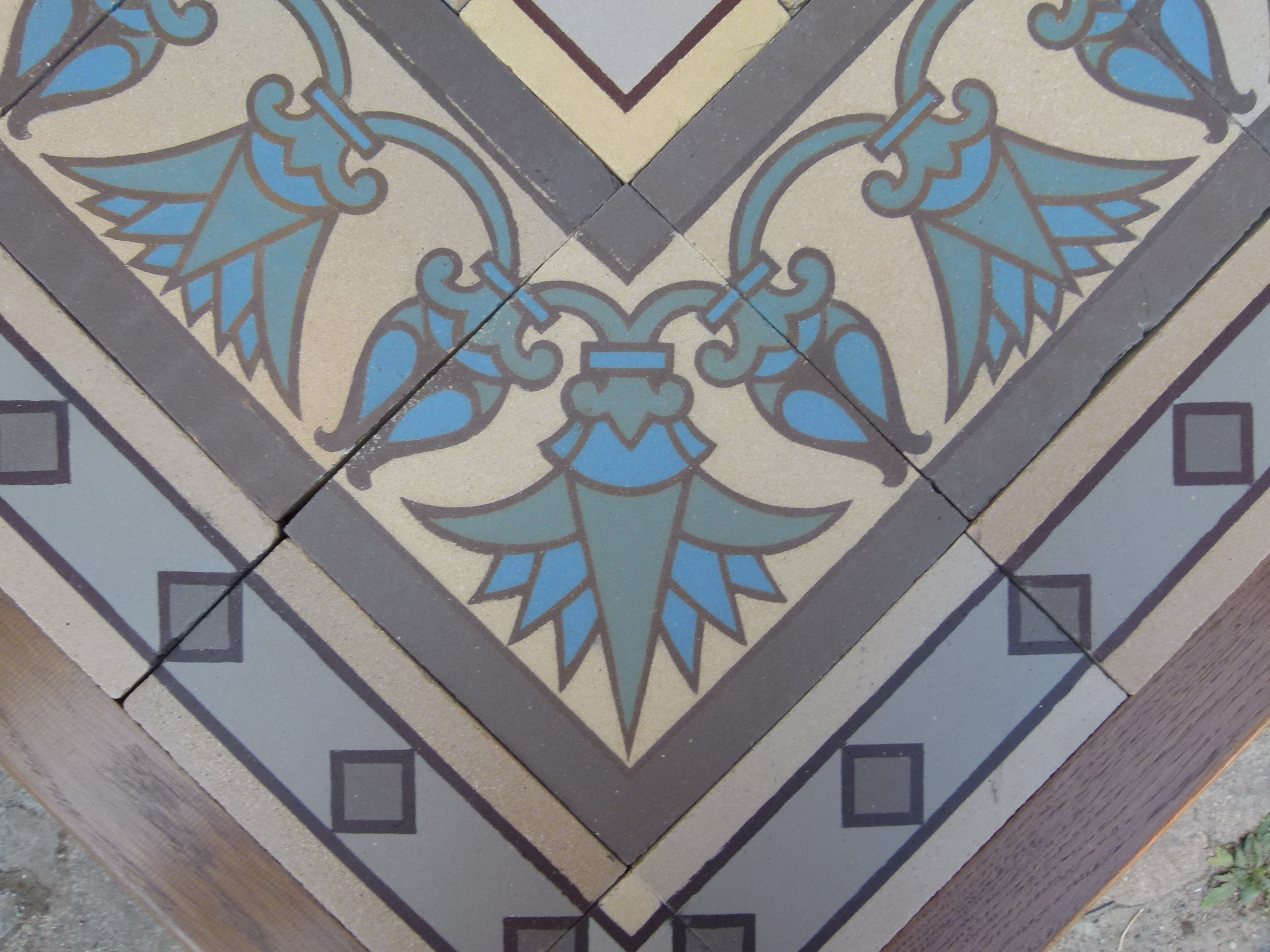
The most striking feature is undoubtedly the rare triple border, an unusually elaborate arrangement of three individual decorative bands surrounding the central field. The stylised lotus-like motifs and flowing symmetry clearly evoke the Egyptian Revival style that became fashionable across Europe during the late nineteenth century following renewed archaeological interest in Ancient Egypt. Combined with the geometric inner and outer bands, the border creates an exceptionally refined architectural frame that is rarely encountered today.
Each tile of these large and heavy ceramics, weighing c.3lbs each, was individually handmade before being fired at high temperature, producing subtle tonal variations from tile to tile together with the gentle irregularities that distinguish handcrafted ceramics from modern machine-made alternatives. Natural variations that lend warmth, depth and authenticity to the completed floor and ensure that no two installations are ever identical.
Whether installed in an entrance hall, reception room, orangery, conservatory or kitchen, this remarkable floor provides an architectural focal point of exceptional quality. Its rare triple border offers enormous flexibility, allowing the complete historic layout to be recreated or adapted sympathetically to suit a new interior.
Few antique ceramic floors combine such outstanding documented provenance, exceptional craftsmanship and such an unusual decorative border. With its appearance in the 1900 Boch Frères catalogue as 'Fond Égyptien', this is a museum-quality example of Belle Époque ceramic design that would form the centrepiece of any distinguished interior. The floor can be laid in its totality in an area of its own or it can deliver a stunning ‘carpet-style’ feature in a larger area complimented by a quality ceramic. A tile fired to over 1,100F degrees it can be laid externally also, impervious to high summer or sub zero winter temperatures, and will work efficiently with underfloor heating systems.
Indicative floor area: Approximately 118 sq ft+
Tile dimensions:-
- Main field tiles: 6.9 × 6.9 inches
- Large border tiles: 6.9 × 6.9 inches
- Half border tiles: 6.7 × 3.35 inches
Tile quantities by tile type are available on request.
Note:-
Our antique tiles were originally handmade in single or two tile molds. Pre-computer fabrication these molds were machined by hand & the colour slips to create the tile were mixed by measure and eye. When firing the tiles, the kiln temperatures of c.1,100F degrees could also be variable. The result of this production process is that tiles made during this period of non-automation often display subtle size & thickness variations and there can be tonal variations in colors, all of which add to their charm and uniqueness. When photographing a floor, we always take a random section so that it is representative of the whole in tones and patina.
A rigorous quality control during the restoration process will include in the sale any tiles with groutable small chips and edge nibbles, expected of tiles more than 100 years old, but include for free any with larger defaults as rejects, which the tiler can then use for offcuts.
Can we help?
If you can provide a technical drawing, or a simple sketch with key dimensions, we are happy to assist in evaluating and recommending the best layout of the floor in your area of choice. Click here for more details