
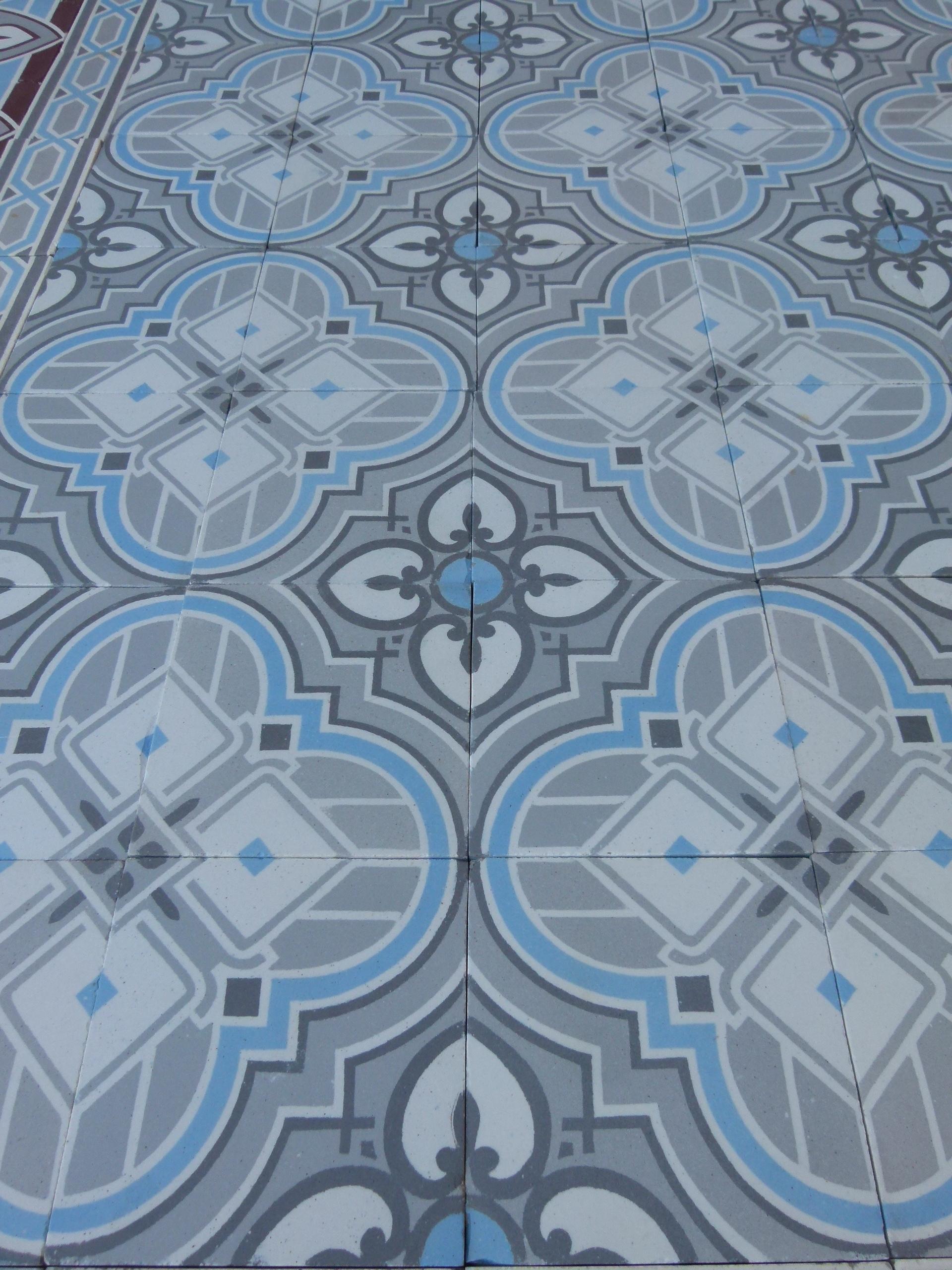
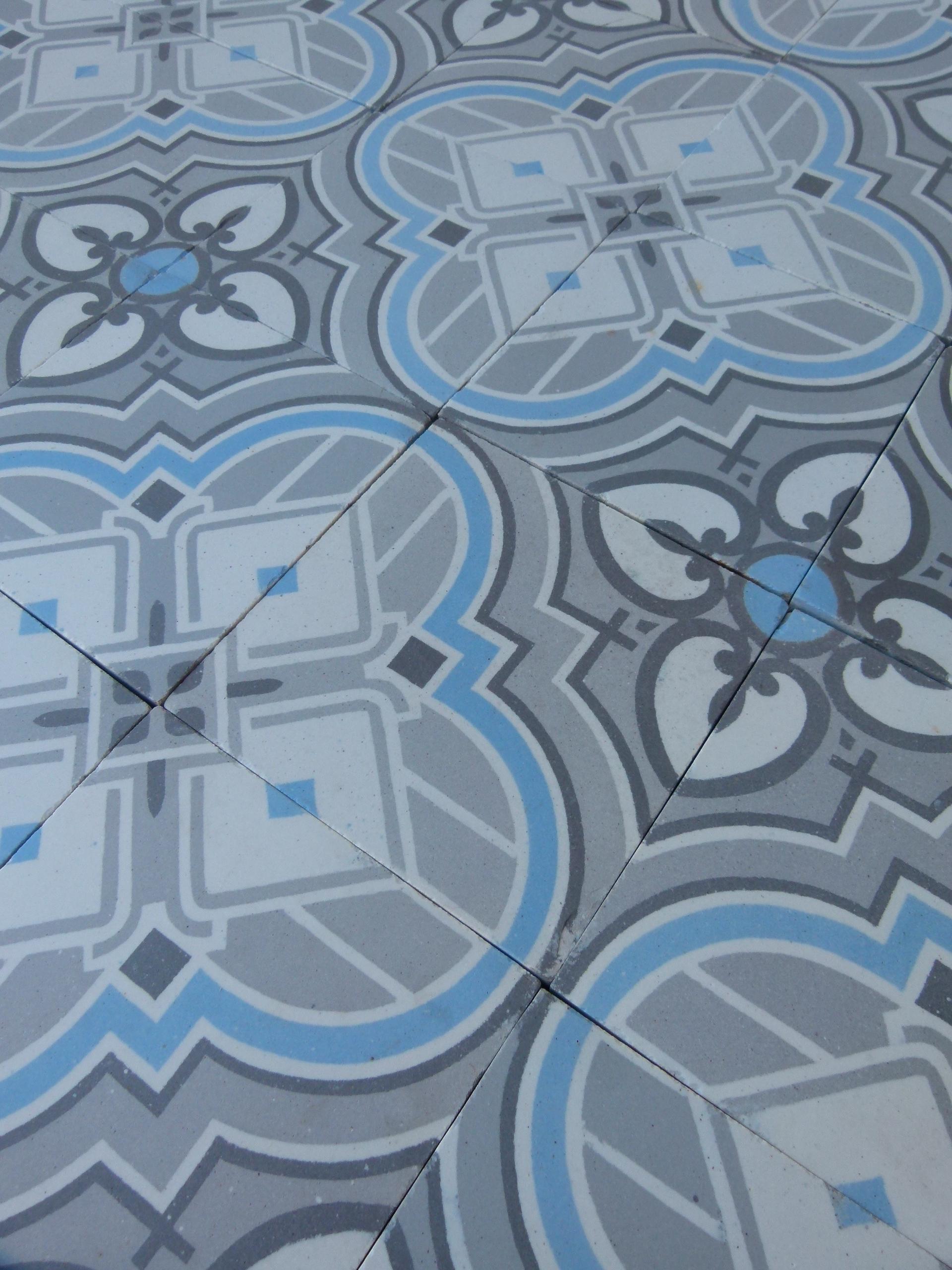
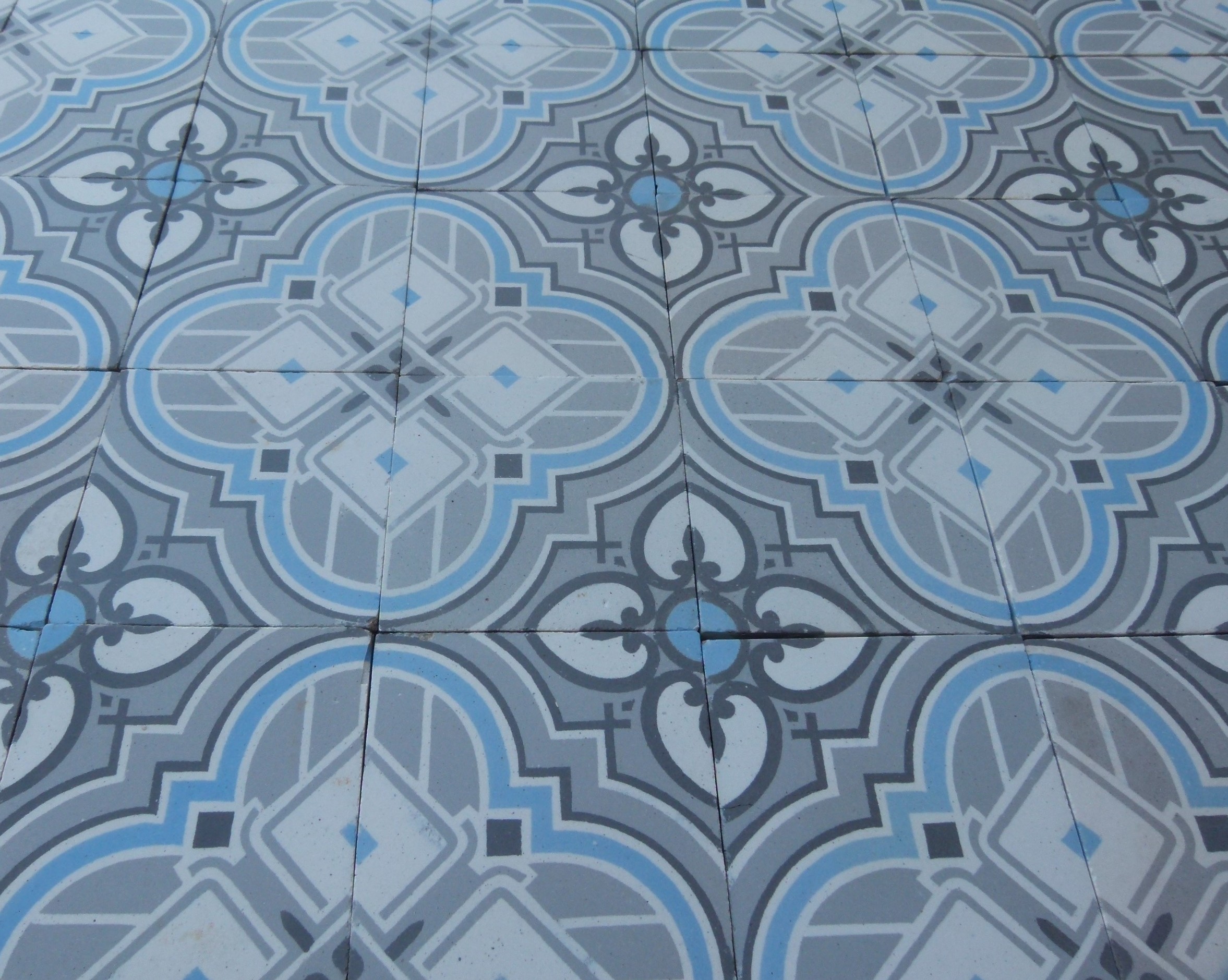
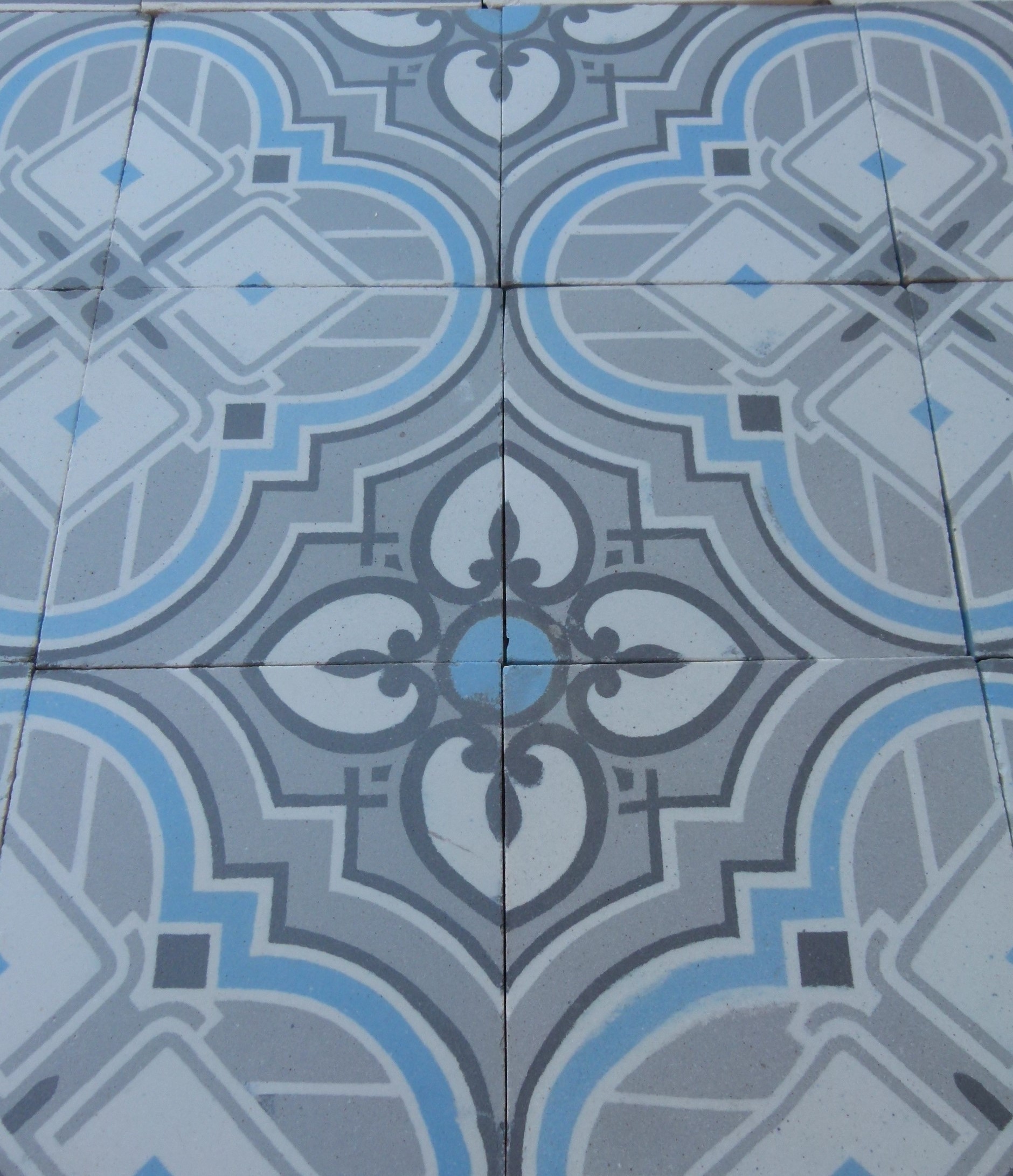
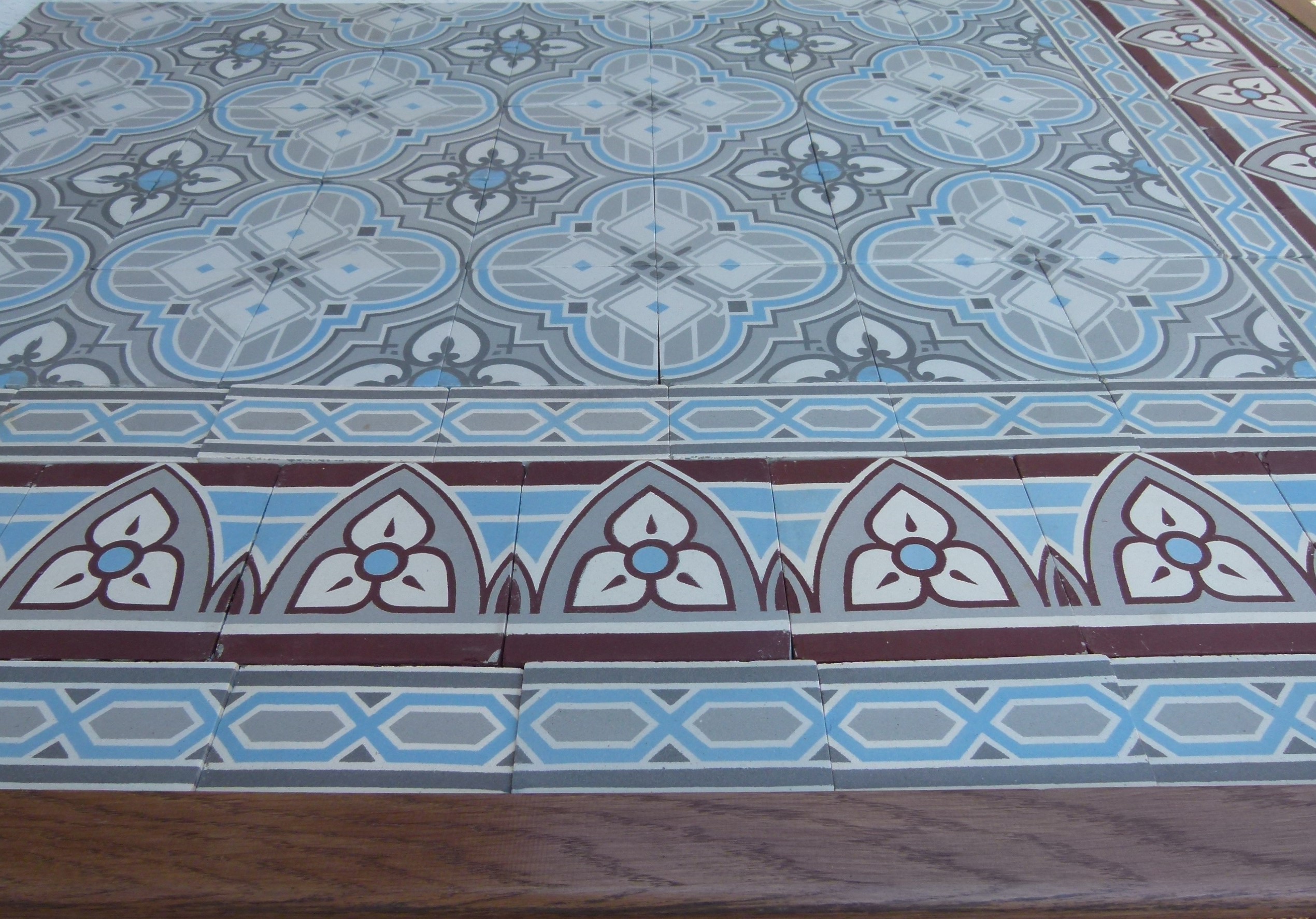
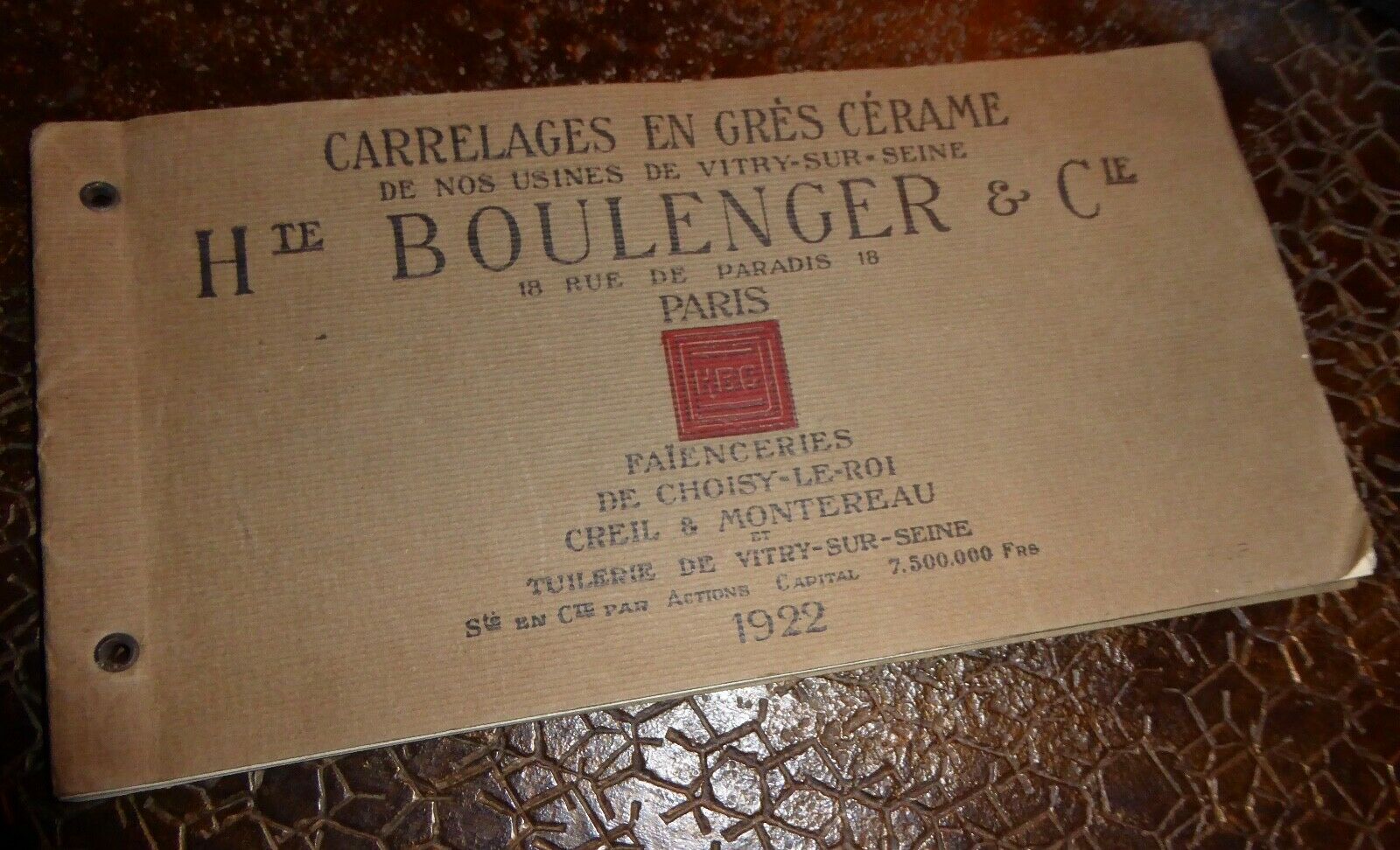
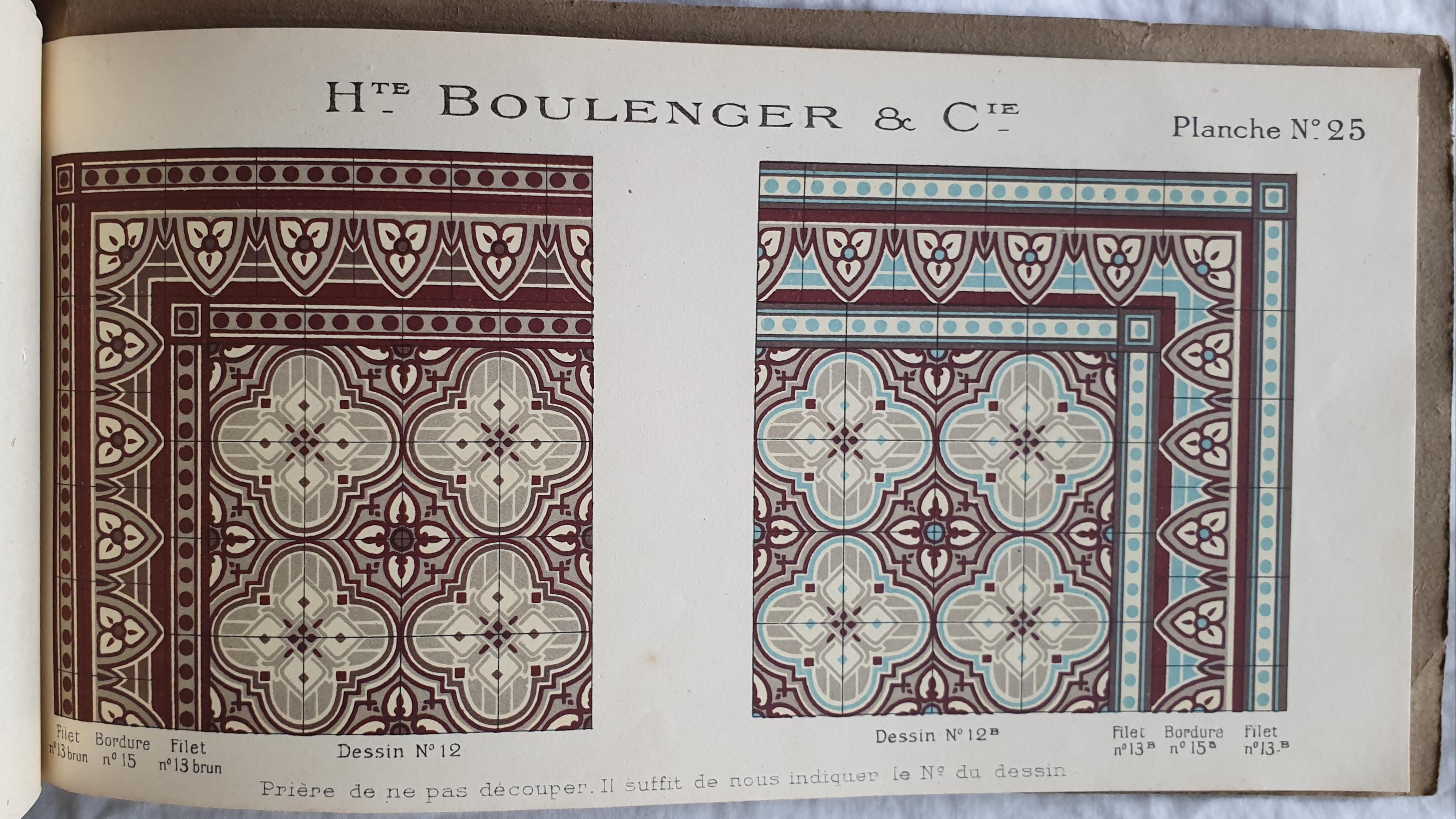
Early Art Deco Ceramic Floor by Hippolyte Boulenger, 1922
Currently in France and soon to be shipped to The French Antique Tile Company
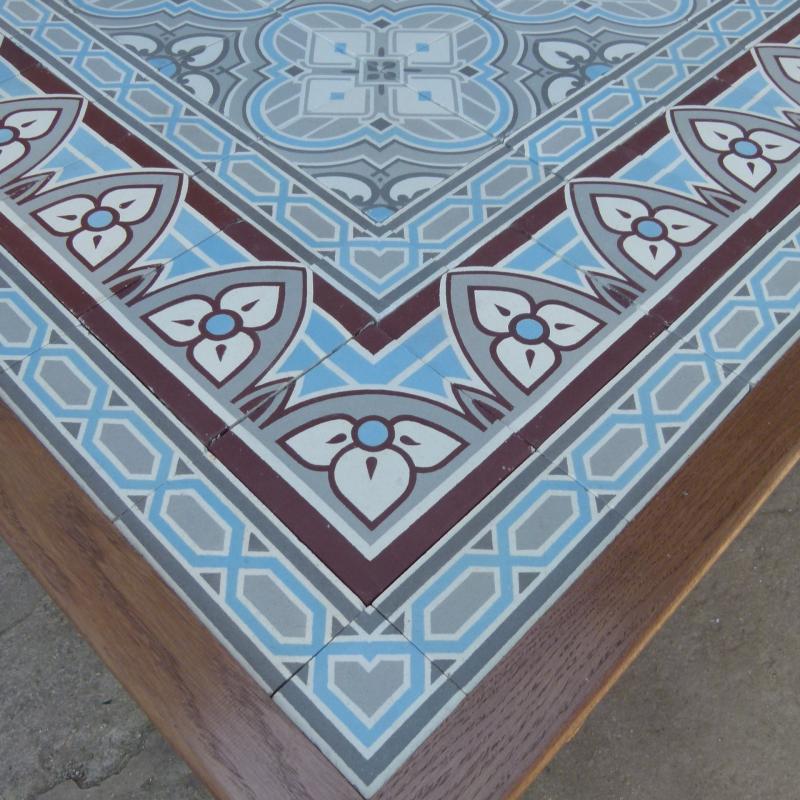
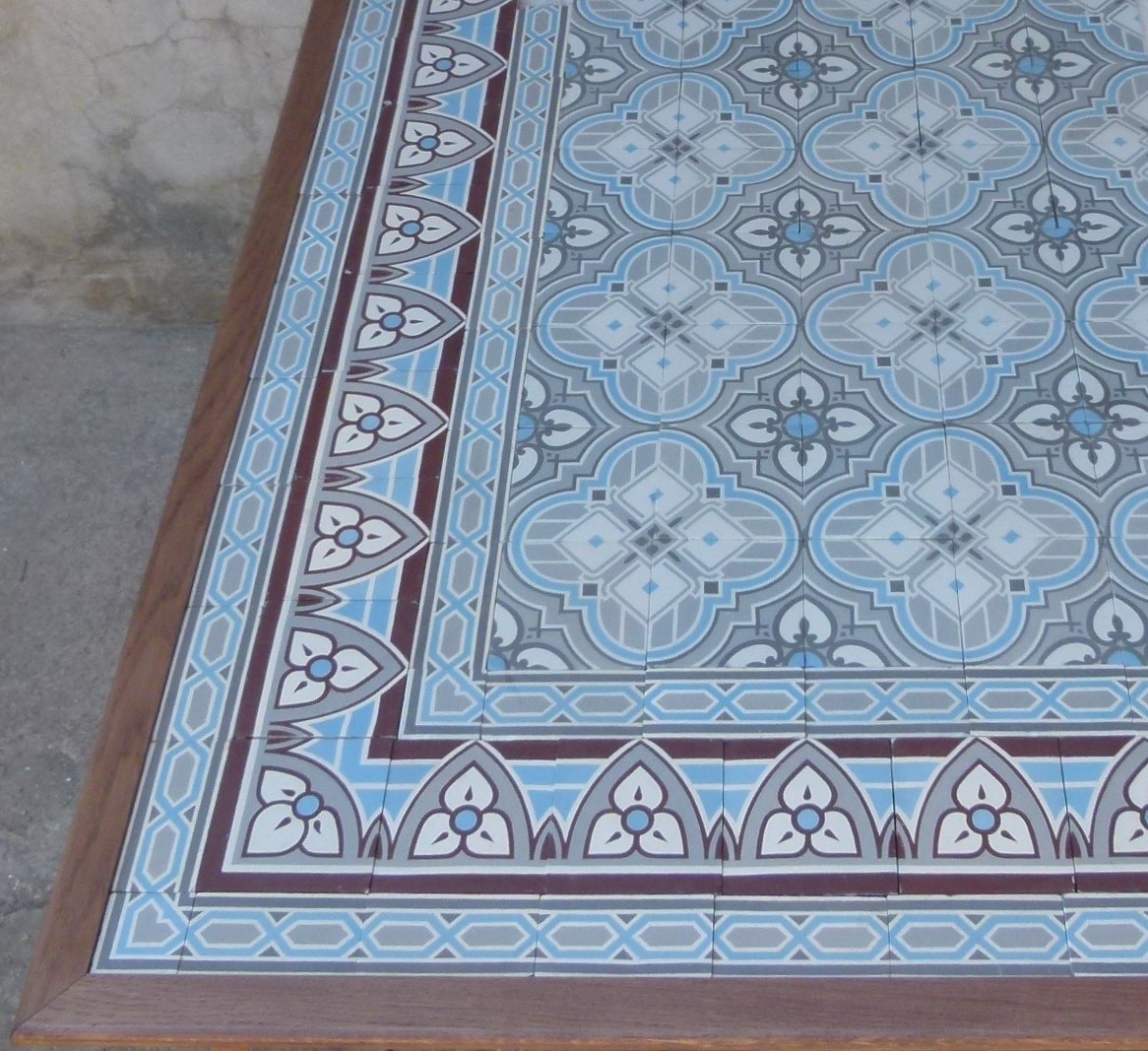
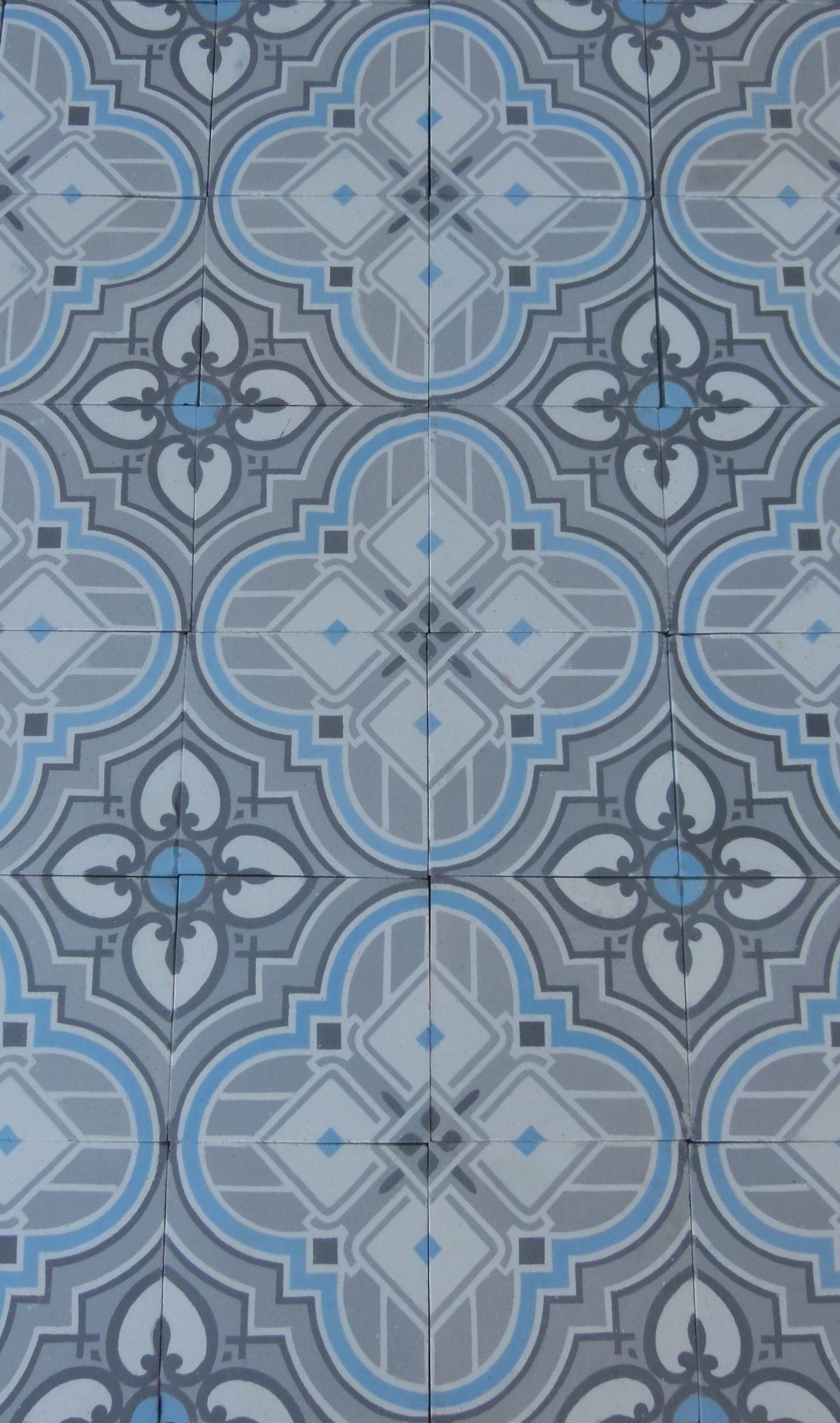
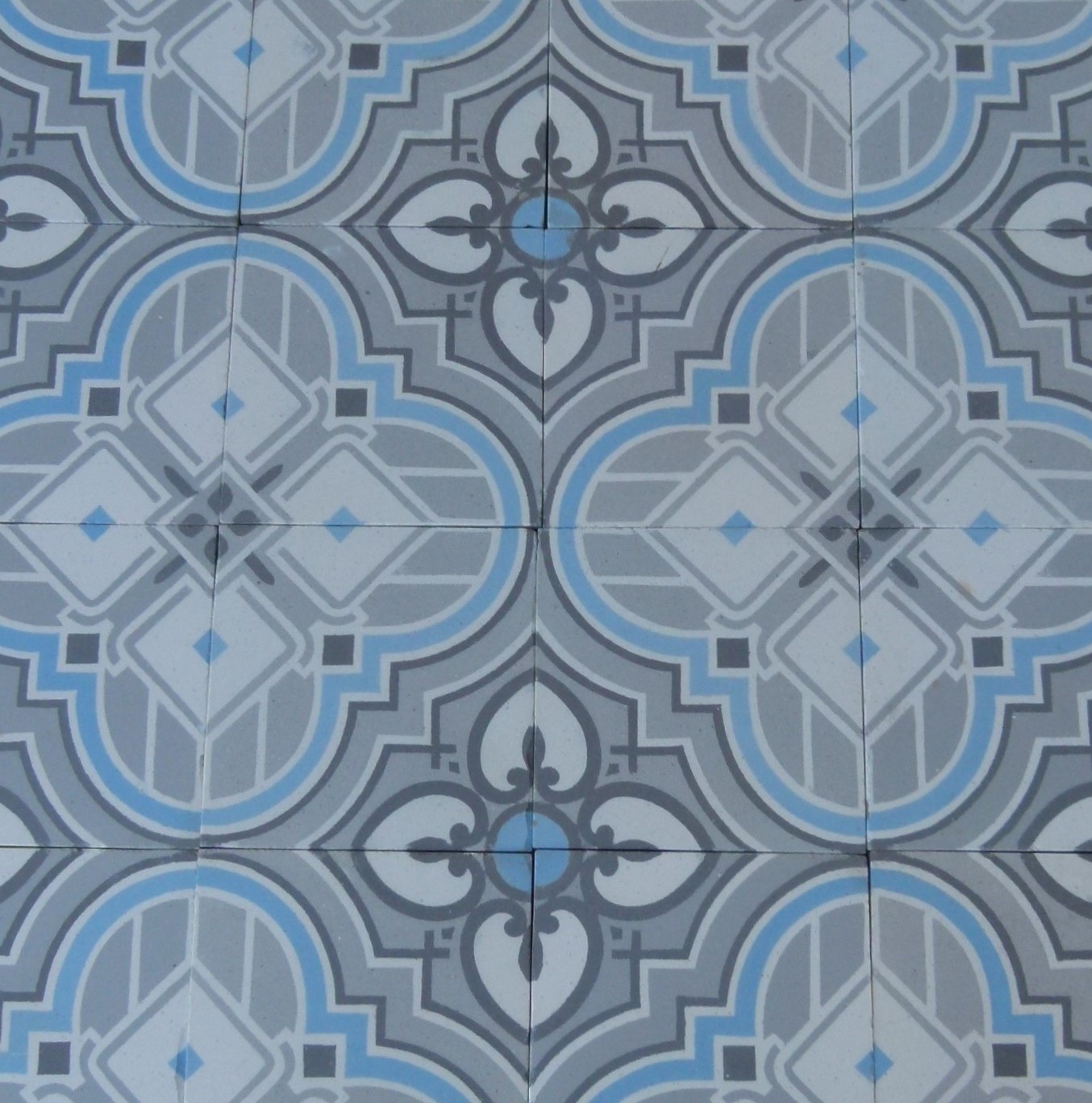
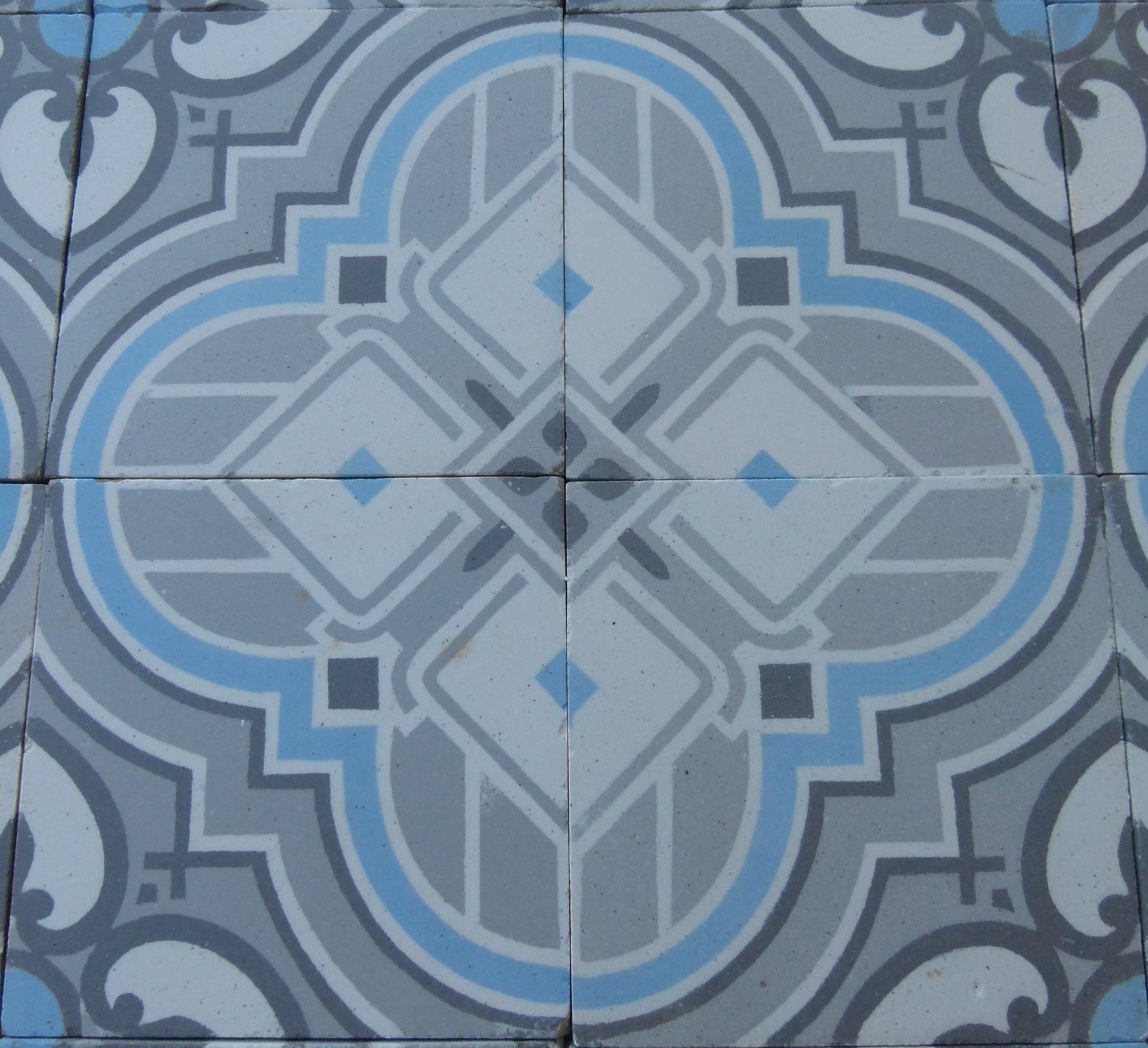
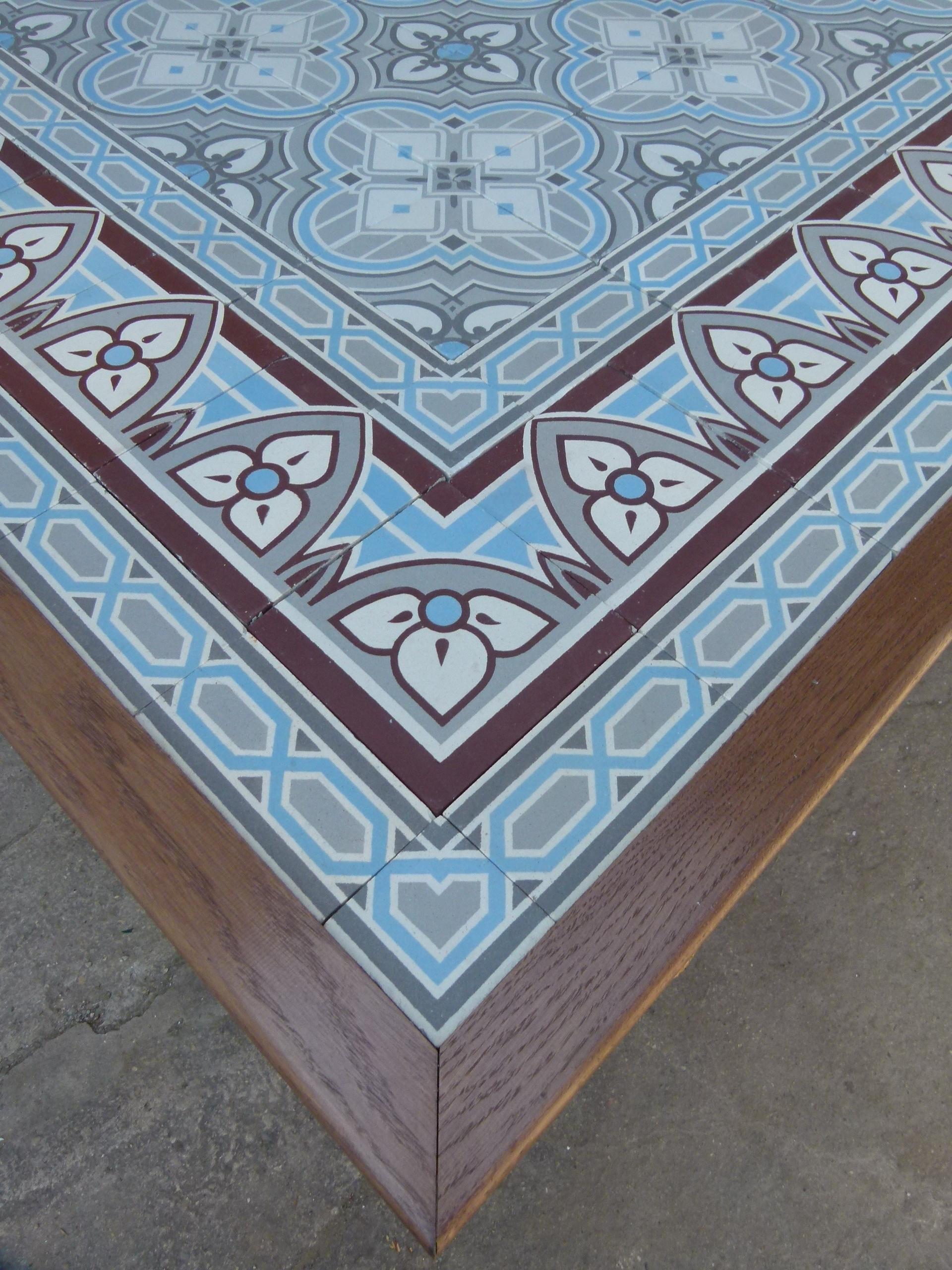
A striking French ceramic floor dating to 1922 and produced by the renowned Hippolyte Boulenger works at Vitry-sur-Seine. Better known for fine faience and decorative ceramics, Boulenger also created exceptional architectural tiles, now increasingly sought after by collectors and designers alike. Period catalogue scans from their origina 1922 catalog illustrating this art deco design are included within the gallery.
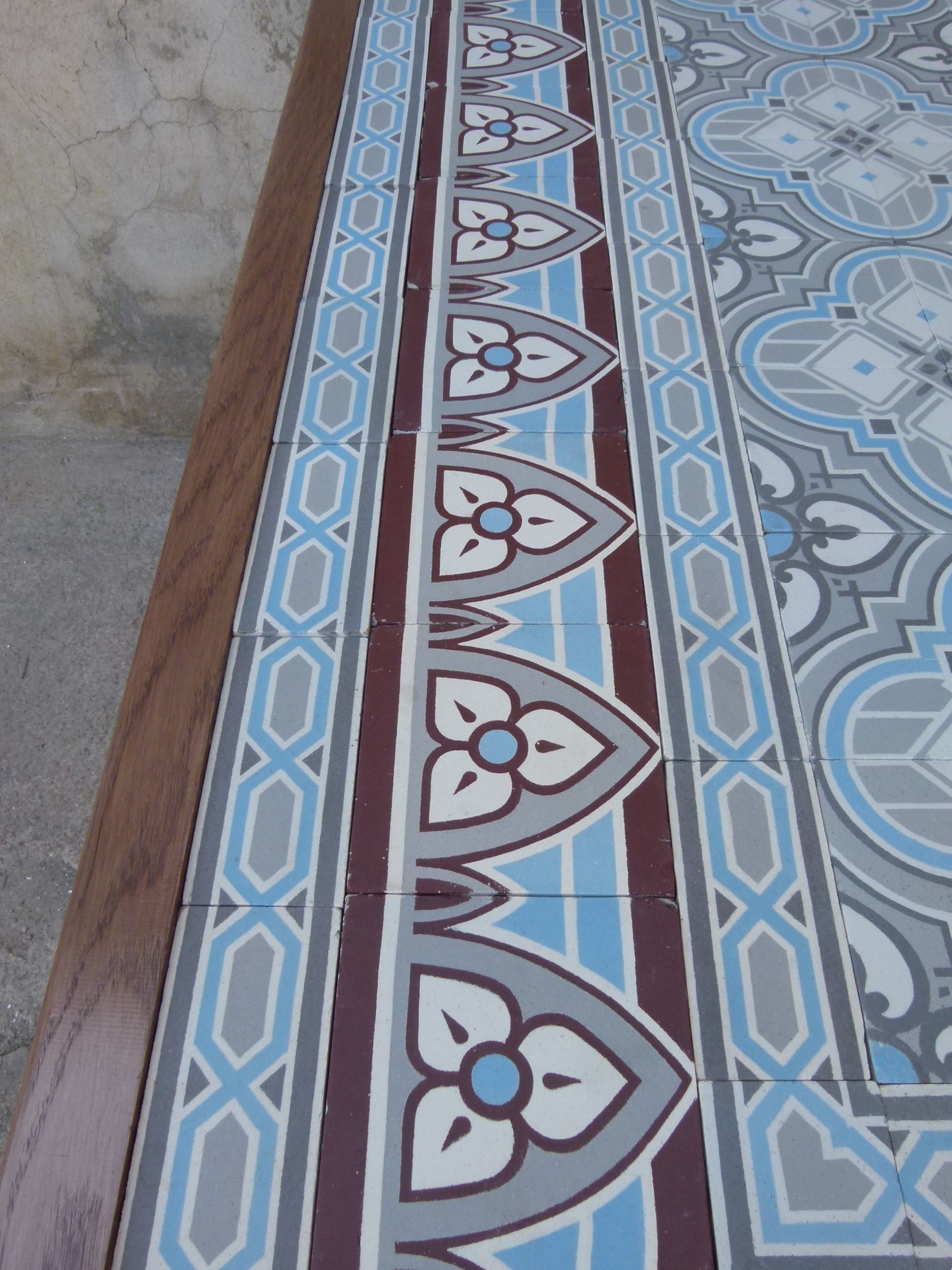
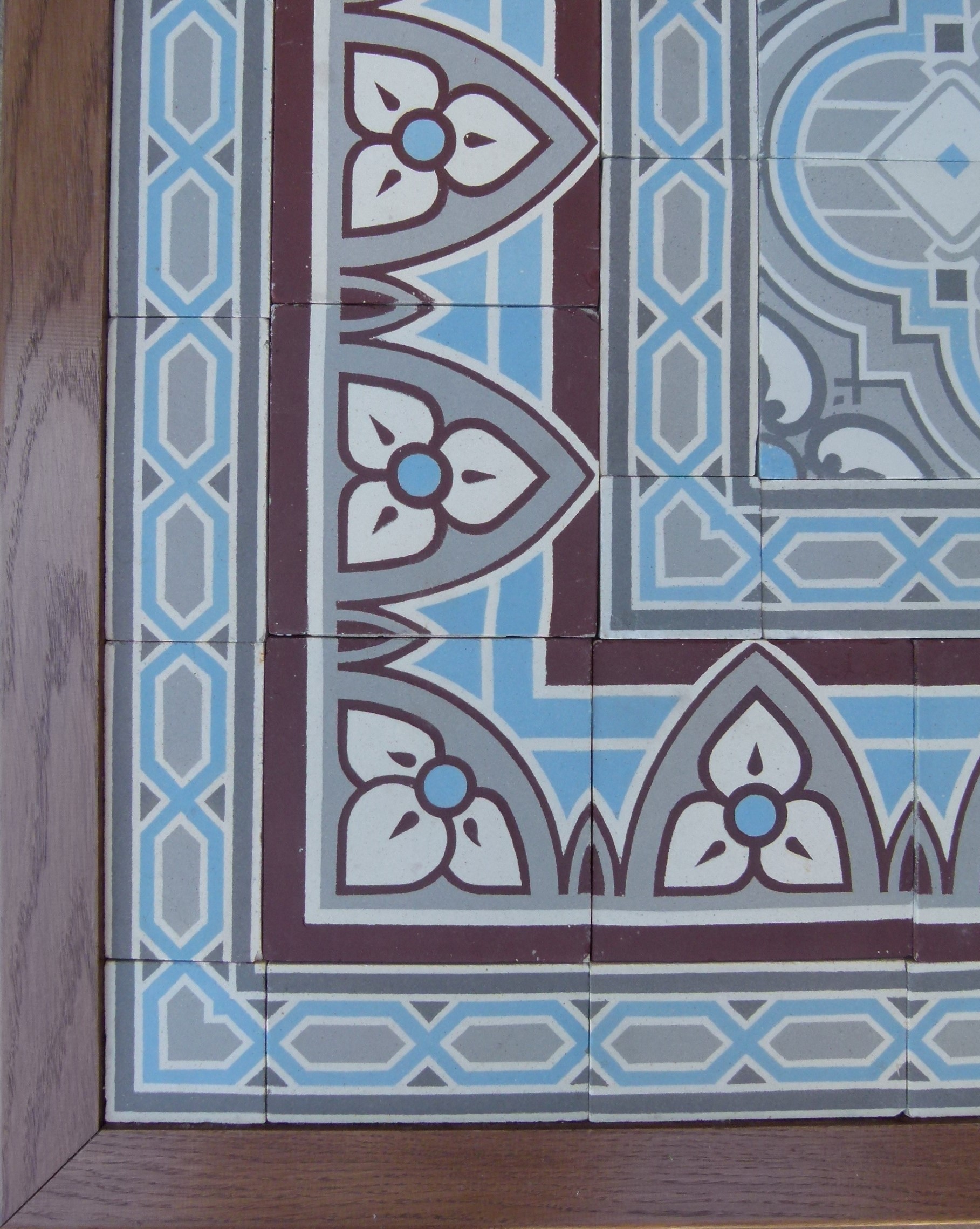
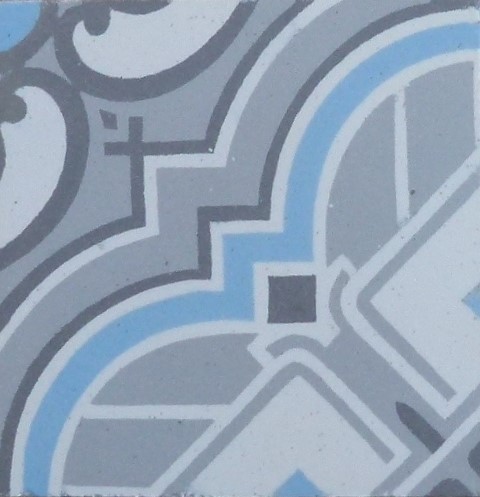
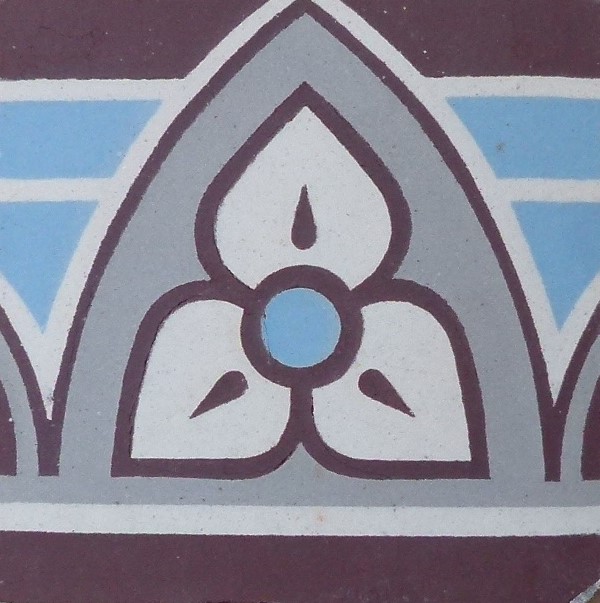
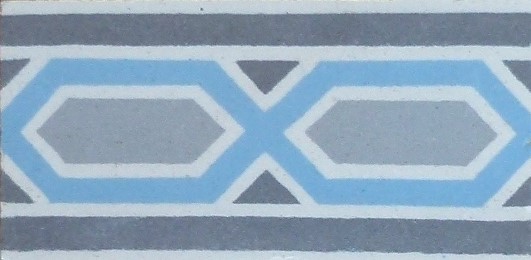
Extending to approximately 144 sq ft, the floor features 5.6 inch square field tiles and borders, together with half-sized border tiles. The design reflects the refined geometry and a restrained palette associated with early Art Deco interiors.
Recently reclaimed and professionally cleaned, the tiles have restored exceptionally well and arrive ready for relaying. Two original large border corners survive, while the remaining two can be recreated through mitre cutting. Four half-border corners are included.
The ceramics remain in excellent antique condition, with only minor edge wear and occasional small chips consistent with a floor of this age, contributing to an authentic and well-aged patina.
Tile Quantities
- Field Tiles – 530 tiles – approximately 115 sq ft
- Large Border Tiles – 55 tiles plus 2 corners – approximately 12.4 sq ft / 26.2 linear ft
- Half-Sized Border Tiles – 150 tiles plus 4 corners – approximately 16 sq ft / 94.4 linear ft
More details are available on request.
Our antique tiles were originally handmade in single or two tile molds. Pre-computer fabrication these molds were machined by hand & the colour slips to create the tile were mixed by measure and eye. When firing the tiles, the kiln temperatures of c.1,100F degrees could also be variable. The result of this production process is that tiles made during this period of non-automation often display subtle size & thickness variations and there can be tonal variations in colors, all of which add to their charm and uniqueness. When photographing a floor, we always take a random section so that it is representative of the whole in tones and patina.
A rigorous quality control during the restoration process will include in the sale any tiles with groutable small chips and edge nibbles, expected of tiles more than 100 years old, but include for free any with larger defaults as rejects, which the tiler can then use for offcuts.
Note:-
Our antique tiles were originally handmade in single or two tile molds. Pre-computer fabrication these molds were machined by hand & the colour slips to create the tile were mixed by measure and eye. When firing the tiles, the kiln temperatures of c.1,100F degrees could also be variable. The result of this production process is that tiles made during this period of non-automation often display subtle size & thickness variations and there can be tonal variations in colors, all of which add to their charm and uniqueness. When photographing a floor, we always take a random section so that it is representative of the whole in tones and patina.
A rigorous quality control during the restoration process will include in the sale any tiles with groutable small chips and edge nibbles, expected of tiles more than 100 years old, but include for free any with larger defaults as rejects, which the tiler can then use for offcuts.
Can we help?
If you can provide a technical drawing, or a simple sketch with key dimensions, we are happy to assist in evaluating and recommending the best layout of the floor in your area of choice. Click here for more details